My history lecturer recently suggested that studying film in history is not ‘proper history’. I disagree.
Films as an avenue to popular mentality
Film can impact what happens in the past itself.
A peculiar episode occurred in 1914 when Pancho Villa struck a deal with American newsreel company ‘Mutual Film’ during the Mexican Revolution, allowing the company to have exclusive permission to film the battles. Villa recognised that a film conveying his heroism might sway American public opinion and thus lead to domestic pressure for state involvement. This in fact changed the course of history when Villa changed his battle plans in order to cater the best footage for the crew. Unfortunately Villa’s directing efforts did not reap immediate reward. While the US government would eventually get involved, the final product was so exaggerated and unbelievable that when Mutual Film returned home, they were prohibited from releasing it to the public. So, the presence of film and the desire of leaders to implant a film hindered the initial course of history.
In a more indirect way, films intervene with how people in the past thought. This is because how you think about a certain idea or event (e.g. protest, war or leader) affects how you behave.
The most obvious way this happens is in direct propaganda films. These are films made to promote a certain message or idea to change the way people think. Digital media is particularly effective as it is accessible and can be displayed to large groups.
Think of the film ‘Don’t Look Up’ about an asteroid hitting earth. You may initially be drawn in by appearances of Jennifer Lawrence, Leonardo DiCaprio, Cate Blanchett, Meryl Streep and Timothée Chalamet. But you walk away aware with the message that climate change is not being taken seriously enough. Lawrence’s character appears in an interview with the leading news channel, yet after the hosts consistently brush off her warnings of impending doom she has a meltdown. “Are we not being clear? We’re trying to tell you that the entire planet is about to be destroyed”. Her words parallel Greta Thunberg’s at the U.N’s Climate Action Summit: ‘you say you hear us and that you understand the urgency… I do not want to believe that’.
This is not propaganda, but it illustrates clearly how films can influence people to think differently in a way that an article or book might not. On the more extreme end of the spectrum, films were made and broadcast at cinemas to justify Nazi actions. In the following clip we see a scene of German poles refusing to sing the Polish anthem, causing them to be attacked by other Poles and locked up in prison and threatened with death. The final scene sees the German army arriving in time to save the unjustly persecuted Germans. Leaving the cinema, viewers were stirred up with the fear of the Poles infringing on German national identity and being an existential threat, thus softening the idea of an invasion of Poland. Hitler certainly thought the film had this impact, giving it the esteemed and rare honour of ‘Film of the Nation’ due to its considerable contribution to the nationalist cause.
Another example includes the famous scene from Sergie Eisenstein’s Battleship of Potempkin. This move was based on a true story, where a Russian naval mutiny of the Tsar’s army occurred in 1905, resulting in both a riot and police massacre. The film served as a reminder to the audience about the evils of aristocracy and the justification of the 1917 revolution. It includes a scene of the massacre of Odessa, where soldiers of the Tsar’s army opened fire on a crowd of innocent civilians, ending with the sequence of a baby in its carriage rolling down the steps after her mother gets shot by a solider.
watch 2 mins 33 seconds onwards for the famous carriage scene
The massacre happened but there is absolutely no source referring to a baby’s carriage tumbling down the steps. However, it was included to reinforce the values of the Bolsheviks by tugging at the heartstrings of its audience and serving as a way to bolster the revolution’s support.
So, watching and studying the films that a population was consuming is one way of understanding the sentiments of people, their mentality and thus why they acted the way they did. In this case, why people continued to support the Bolsheviks.
2. Media and popular opinion
If we extend the word ‘film’ to mean more than just movies and talk more about videos and pictures, there are further implications for historians.
News coverage has been seminal in multiple historical developments. In the Vietnam War, for the first time videos of casualties were being seen by the public whose country was at war – the development of colour in film allowed Americans to see the red blood of not only their American husbands, brothers and sons but also the Vietnamese casualties. The following video shows a journalist reporting on the burning of a Vietnamese village.
This video, and others were seen by the American public and one of the factors that changed the course of the war in Vietnam by contributing to the withdrawal of American troops was the role of public opinion – knowledge of what was going on when paired with intense emotional imagery contributed to significant anti-war demonstrations. The image below sees the demonstration at the Pentagon where 100,000 protestors gathered to air their anger towards US foreign policy.
The same goes for photography which is a type of film and has the ability to convey a message, evoke emotions and change minds in the matter of milliseconds, while being seen by millions in the age of technology and print-capitalism.
Phan Thai Kim Phuc is pictured running away, naked and covered in napalm while her village burns in the background.
The fall of the Berlin Wall in 1989 saw a swarm of pictures published worldwide to confirm that communism had been defeated – installing the perception that America had won the Cold War.
Elizabeth Echford is pictured walking to her High School on the first day of racial integration in 1957 as a white woman called Hazel Bryan stands behind her screaming in indignation.
Looking to the future, there is a high chance that historians working in 2100 will turn not only to the films we watch but to TikTok and Instagram to understand shifting mentalities. This seems ridiculous at first. But think back to lockdown and the proliferation of vivid images and videos of George Floyd consumed and the protests which broke out as a result. This media was primarily viewed by the youth, causing a somewhat generational split in how important matters over racism seemed to different groups. Remind yourself of the outlook-altering ‘Everyone’s Invited’ and the divide which occurred between us, who were reading these horror stories on Instagram, and our teachers and parents who had not. Such divides seem important in understanding social, political and cultural history.
So, let’s not confine ourselves to the study of diary entries of statesmen or census data to find out about the past. Film has had considerable impacts on the history in the modern era and continues to shape how we see the present.
Inflation at 9.9%. Gas prices up 450% from September 2021. The economy on the brink of a gruelling recession. These are the immediate issues Liz Truss promises to fix upon being elected leader of the Tory party. With one in every 3 children living in poverty in the UK (a figure which shows no sign of plateauing), and more people reverting to food banks to survive, it is critical that Liz delivers.
Will she be able to with her planned measures? What might be the negative impacts? Is there anything the UK can do to escape the tough times and even worse times ahead?
Energy price cap
The most recent measure implemented has been a two-year energy price cap of £2500 for households, with businesses being granted this for 6 months. This means that if (and when) energy bills exceed this, the remainder will be paid for by the government. While Kwarteng states it will only cost £60 bn, most estimates range from £100-150 bn due to estimates that gas prices could be as high as £6000 next year. Truss states the aim of this is to ensure that households can budget with the highest price of energy in mind, stripping away the uncertainty brought about by hiking prices.
With government debt standing at 99.6% of GDP, critics condemn this measure due to implications on public finances, stating they will only be paid for in the future in the form of higher taxes, especially with the recent interest rise to 2.25% which makes government borrowing even more costly. Yet, one might argue that economic policy is a game of choosing what the ‘least bad’ option is. In this case, stopping people from starving now and increasing taxes at a more stable time (even if that means slower growth) seems the sensible side to take.
Taxes
The issue arises when she reveals the other branch of her fiscal policy: cutting taxes. First, this leaves government finances even more precarious as there seems to be no plan as to how to levy the necessary revenues to finance the energy scheme – the Exchequer scorecard for the tax cuts stretches to 2026/27. Nonetheless, she has declared that she wishes to ‘put money back in the pockets of people who need it most’. But do her tax cuts to national insurance and corporation even achieve this?
Reversing the 1.25% rise in national insurance benefits people earning more than £100,000 the most, making this a regressive tax and thus an inequality broadening move. Moreover, tax cuts take a while to filter through to peoples’ disposable incomes, being more reminiscent of a medium-term plan rather than one which helps people to pay their bills and survive now.
She has also declared plans for a temporary moratorium on the green energy levy to lower bills. While this levy currently makes up 8% of energy bills, thus its removal signalling lower costs for households, the moratorium proves counterintuitive. With renewable energy companies being subsidised by this levy, the funding is helping to limit electricity price increases by reducing the need to import expensive gas. They also fund support schemes like home insulation which save vulnerable households money and are going to be essential in the coming years. Therefore, this move threatens to stunt the sector which is helping to keep costs down for consumers.
The planned corporation tax rise from 19% to 25% has been cancelled. The prime minister claims that she wants to ‘prioritise growth’ so that the entire economy can benefit. The theory goes that by cutting taxes more people will invest in UK businesses who will in turn become wealthier and distribute their income by spending on the domestic economy. Thus, she proposes a basic case of trickle-down economics. Biden (and many others) doubt the plausibility of this theory, highlighting that rather than the desired distribution of wealth, tax cuts of this kind allow firms to pocket more of their profits. Truss meets these accusations with fervent denial but provides minimal justification as to why her logic is not trickledown.
Chart displaying the vertical drop in the pound after Kwarteng’s accouncement
Even if her sole goal is 2.5% annual growth (no matter the social cost), that the tax changes could achieve this is highly speculative. As displayed in the chart above, the pound dropped almost vertically after the announcement of Kwarteng’s mini-budget, suggesting that investors are selling their pounds due to lack of confidence in the UK economy, despite the fact the budget was designed to increase market confidence through tax incentives and reform. Perhaps it is the lack of transparency displayed by the failure to publish an independent OBR forecast.
As such, cutting taxes in hopes of boosted investment appears speculative and long-term at best. At worst, it worsens government finances and does nothing to help those wondering where their next meal is coming from.
Inflation
Here comes inflation. The inflationary climate is cost-push and driven by supply side factors. This has led some to remark that any contractionary fiscal policy employed by Truss would be futile in achieving lower inflation. However, such blatant expansionary policy only serves to bolster the price level by increasing aggregate demand. The sheer size of these tax cuts is second only to Barber’s ‘dash for growth’ in 1972, which caused a bubble to burst and inflation to spiral.
Besides eroding the real incomes of pensioners and those on fixed incomes, what makes the fiscal policy more dangerous is the interest rate rise her policy is encouraging. By increasing the rate of inflation, the bank of England (whose sole target is to achieve a 2% inflation rate) increases interest rates in hope of lowering consumption and spending. Those who are not on fixed-rate mortgages see their mortgage bills surge, negating any positive impact of the tax cuts (which we have already revealed are minimal for lower-income households). This will not impact the top 10% who are more likely to have already paid off their houses but will bite into the depleting funds of the lower-middle-class and the poorest. The BOE’s announcement that the base rate will rise to 2.25% is not likely to be the last we hear from them, with some estimates that it may reach as high as 5%. The government’s policy is only peddling this trajectory.
Alternative measures
This low-tax approach rules more effective measures off the list, such as a windfall tax on the profits of energy companies. Such a tax targets those profiting disproportionately, whilst simultaneously allowing government to finance its deficit. For example, Rome adopted a 10% tax increase on windfall profits and raised the rate to 25% in May. The Treasury even estimated that the energy sector will make up to £170 billion in excess profits over the next two years. In the mini-budget, Kwarteng failed to justify the absence of a windfall tax.
If Truss is focusing on the long-term, she will hit a brick wall by failing to tackle the core of the energy crisis.
While the exogenous shock of the war in Ukraine has seen gas prices spike worldwide, the problem in England is unique in that the extent of the crisis has come about due to long-standing, systemic weaknesses. A decade ago, the energy industry was an oligopoly, dominated by 6 big companies who experienced huge profits. Ofgem, the regulator for this industry, increased competition, allowing 90 firms to operate. However, without necessary financial background checks, 48 of those companies have gone bust, with 29 of those being in the last year, leading to 2.7 million customers being transferred to a different supplier. This meant that to cover costs of new customers (whose energy expenditure they did not plan for), companies had to charge their existing customers more.
Thus, Truss needs to stop scapegoating with Putin and fix up regulation in the energy industry so that providers have robust finances and knowledge before entering.
Conclusion
In the short-run, the energy price freeze will seriously help. But this is about as far as her policy goes when helping those suffering the most due to the cost of living crisis. Wealth gains to the poorest via tax cuts are counteracted by interest rate rises on mortgages.
The long-run has a less binary judgement. Truss’ and Kwarteng’s efforts to boost long term growth may prove effective in the long-run – but it will certainly take time and is not looking likely as indicated by the immediate drop of the sterling following the announcement of these plans.
Even if growth of 2.5% is achieved, people in the future will not enjoy it due to the stifling taxes that will ultimately have to be put in place to finance the spending of covid and this recent spree. Time will tell.
With the sentiment of Scottish independence looming large, the matter of Britain is as pressing as ever. From this arises the question how much the ‘matter of Britain’ has had an impact on history? Looking back at 17th century Britain, we see that these nations have never lived in isolated bubbles and an appreciation of this might provide us with some avenues through which to look at our current affairs. Alongside the fallout of Covid and Brexit, exploring this historical episode stimulates us to consider whether (and how) England’s history once again be impacted by a new push for Scottish Independence?
The following article transports us back to 17th century Britain, seeking to reframe the typically Anglocentric history by showing the interconnectedness of the warring period of 1637-51.
Should the English Civil War properly be seen as just one of the wars of the three kingdoms of the mid-seventeenth century, all stemming from the so-called “British Problem”?
The English Civil War has taken centre stage in the history of Britain’s warring period of 1637-51. The Bishops’ Wars and Eleven Years’ War have been portrayed more as background events in the story of the English Civil War, while England and its internal divisions have enjoyed a spotlight in explaining its causes[1]; rather than investigating the unifying causes of all three wars. Each kingdom was member of a multiple monarchy ruled under Charles during this period. Thus, the consequences of the English state trying to rule in three kingdoms with different religious and political makeup, with a particular policy of unifying these three kingdoms, is an avenue worth exploring in explaining why each of these wars occurred. This we define as the “British problem”. As such, we will consider the ways in which the “British Problem”, as defined, contributed to the Bishops’ Wars, the Eleven Years’ War and the English Civil War, subsequently considering whether the English Civil War deserves the significance it has been attributed.
England’s hegemony
Let us consider the three kingdoms in the order armed resistance against King Charles I arose, starting off with the Bishops’ Wars in Scotland, 1637. These wars were fundamentally a result of England’s failed policy of securing cultural hegemony over Scotland. Charles wanted to align the Scottish Church with the English Church by promoting Laudian policies. For example, he arbitrarily introduced a new set of Canons and a new Prayer Book in Scotland which was in line with English practice. Firstly, they ardently opposed these adaptations as they were seen as too synonymous with Catholicism. Moreover, Charles’ policy promoted the role of the bishops in the Church[2]. Whereas, in the view of the Scots, the church should have been governed by ministers and elders. It was these qualms which they fought for in the Bishops’ Wars, made apparent by the 1638 National Covenant which pledged to oppose such “innovations”[3]. Thus, we see that the chaos that broke out in Scotland was due to the British problem as Charles had been too insistent on enforcing English religious domination over a kingdom loyal to the structures and practices of Presbyterianism.
Similarly, War broke out in Ireland in 1641 due to Charles’ desire to secure conformity within Britain. Firstly, Charles (through the Earl of Strafford) pushed to enforce Laudian practices. He also promised the Catholics that The Graces would be pushed through: a suspension of disabilities of the Catholics and the security of tenure for ‘old English’ landowners. This alarmed the ‘New English’ as they saw these Arminian policies as crypto-catholic in pairing with the Graces, as well as being alarmed at the thought of losing their land. Thus, a wedge was driven between the administration and the recent Protestant planters. Charles lost further support from the Old English and Gaelic Irish when the promised Graces never ended up getting past the Protestant administration. Simultaneously, the plantation scheme continued[4] in pursuit of political allegiance between the two kingdoms, the Gaelic Irish were grated further. Although it was not the uniformity Charles had hoped for, these actions amounted to the temporary unification of these previously divided groups in their shared hatred for the policy being pursued, resulting in the Irish Rebellion of 1641. As such, we see that once again, due to the religious differences between England and her subject kingdom (in this case Ireland) paired with the policy of the monarch that one must secure religious and political conformity across his kingdoms, war broke out.
An interconnected state of affairs
We must also examine the connectivity of the events in Ireland and Scotland as part of the British problem. First, it is possible to suggest that the outbreak of war in Scotland was a consequence of Charles being distracted by issues in Ireland. In Ireland there was a degree of compromise in which Archbishop Ussher and Bishop Bramhall were left to battle about the contents of the canons amongst themselves because of the political infighting that broke out between Ussher and Wentworth; whereas, the Scottish canons appeared almost without warning, drawn up by a committee of bishops mostly appointed by Laud, an Arminian. The difference in treatment we observe likely occurred because of Charles being pre-occupied with dealing with the said resistance that had arisen in Ireland. The combination of the lack of compromise and the comparison to the better treatment the Irish received may have become a source of Scottish bitterness towards Charles and subsequently increased their motivation to rebel. Moreover, the problem with two kingdoms with similar motivations meant that one could watch the other closely and decide their actions having seen the reaction of the English. This is best illustrated in the Irish rebellion being viewed as a copy of the Bishops’ Wars: when one leader was captured and asked what he was attempting to do, he replied, “to imitate Scotland, who got a privilege by that course”. Thus, we see that the burden of dealing with two opposing kingdoms simultaneously would worsen the conditions in both, and the British problem proves potent in causing outbreak of war.
Moving to the final act: The English Civil War, 1642. Had it not been for the conflicts in Ireland and Scotland, the Civil War in England would have never occurred. First, it was the Bishops wars that forced parliament congregate after ‘The Eleven Years’ Tyranny’[5], since the victorious Scottish refused to accept a treaty not confirmed by an English parliament. This meant that their long list of grievances finally had the audience of the king. This summoning would turn into the Long Parliament, elevating tensions in England as Charles battled with his parliament over their demands. Successively, the Irish Rebellion of 1641 directly caused the outbreak of war in August 1642 when parliament refused to grant Charles the permission to raise an army but did so anyway. Thus, we see the British problem frontstage and centre causing the English Civil war.
Moreover, the very existence of other kingdoms to turn to for support meant Charles was less inclined to resolve the dispute in his own. This can be seen in May 1641, when after the failure of the Army Plot, Secretary Vane thought that Charles would settle with his English Parliament, stating ‘there being in truth no other (course) left’. Instead, he was able to create a Scottish party via keeping relations with Montrose, which (in Charles’ perspective) would elevate his chances against parliament. Therefore, we may conclude that the English Civil war was triggered by the British problem both through the uprisings in Scotland and Ireland precipitating its outbreak and the fact that the presence of two other kingdoms disincentivised Charles making peace efforts in England.
However, the British problem does not account for why parliament did not support their king by the time the Bishops’ Wars arrived. First, not summoning parliament for Eleven Years’ meant the trust they had in their king had disappeared such that when he promised to address their grievances after dealing with the war in Scotland, they did not believe him. Yet, by insisting that he address their grievances immediately, they weakened England’s chance of reacting with a united front and quashing the uprising in Scotland immediately. Yet, why did parliament have so many grievances? In short, the answer lies in Charles’ handling of two key areas: religion and finance. Charles’ new religious policy to strive for conformity within his own kingdom led to the promotion of Arminian practices, which was perceived as synonymous with welcoming Catholicism in the eyes of the Calvinists and Puritans in parliament[6]. Second, because of Charles’ crippling financial situation[7] he had to take measures such as the Forced Loan in 1627 and further calling for Ship Money to be collected from inland inhabitants in 1634[8]. While the financial situation had been ameliorated [9]; he had passed both levies without parliamentary consent, which was seen as an exploitation of his prerogative power and was taken as an existential threat to parliamentary liberties – a belief which became the core of the parliamentary fight in the Civil War.
Thus, while the British problem may have triggered the outbreak of this civil war, it only heightened divisions which had already existed. Without the turbulent relationship between parliament and crown stemming from financial problems and religious divisions within England, the English civil war was unlikely to have occurred.
The other similarity of all three kingdoms who broke out into war was that they were all ruled by Charles. Thus, we must question how much Charles is to blame for the outbreak of war. First, we may consider his choice in approach when aiming to achieve religious conformity, which emerges as a dominant theme in the British problem. It was common consensus that “religion is… the strongest band to tye the subjects to their prince in true loyalty”[10], and thus we cannot criticise his decision to push for conformity. Nonetheless, his characteristically rapid approach may be evaluated. His father, King James I, managed to deal with the divide in religion by pursuing it slowly[11], never allowing the moves to be extreme enough to give dissenters an appropriate time to uprise. Moreover, while James attempted to shift them all closer to each other incrementally; Charles pursued unity by making Scotland and Ireland more like England,[12]. Thus, we might infer that the British problem is not impossible to work around but becomes potent when English dominance is asserted upon the two other kingdoms in small timeframes.
Moreover, Charles mistakenly did not hold firm against the various demands of his three kingdoms. We turn to the Petition of Right which he first refused to sign, but then caved in 1628 when under pressure from parliament; or, the execution of Strafford which followed the same pattern. This lack of capability to hold firm encouraged his subjects in all kingdoms (who looked on at each interaction he had) to believe that if they pressured him for long enough, he would retreat once more. For the accusations against him of arbitrary government, he did not manage to even do this properly. Perhaps if Charles had been a more consistently firm ruler, the Civil War would not have broken out as his opponents would not have thought he would accept their concessions. Thus, we might say the problem itself did not cause the wars; the failure of Charles to handle it correctly did.
In conclusion, this essay has shown that in order to truly understand why this warring period occurred we must not just view it through an Anglocentric lens but emphasise the interconnectedness of the wars and problems in each of the three kingdoms. In doing so, we have revealed that the wars of the three kingdoms do all in fact all stem from the British problem, to a greater extent in Ireland and Scotland than in England, while also considering the fact that the presence of this problem did not mean an inevitable explosion into a warring period from 1637-51. Rather, in combination with Charles’ weaknesses as a ruler and the internal divisions at Westminster, the British problem was given the perfect conditions to flourish and set off and ensure the continuation of the wars in each of the three kingdoms. In light of these discoveries, we consider whether the English Civil War deserves the significance it has been attributed. While one could argue that it was unique to the conflicts in Ireland and Scotland as England had internal divisions separable from the British problem; we have proven that these would have never become so important had it not been for England’s rulership over Ireland and Scotland. Thus, this seemingly unique factor of internal division becomes just as significant as the British problem itself. Therefore, we have also revealed that the glory given to English Civil War in British historiography is largely undeserved and focusing on ‘The Wars of the Three Kingdoms’ or ‘The British Civil Wars’ are more enlightening subjects of study.
Bibliography – Books and Articles
Mark Kishlansky, 1996, A Monarchy Transformed, Britain 1603-1714, Penguin Books
R.C. Richardson, 1977, The Debate on the English Revolution, Manchester University Press
Mark Parry, 2015, The Bishops and the Duke of Buckingham, Wiley
Conrad Russel, 1987, The British Problem and the English Civil War, Wiley
Richard Crust, 1985, Charles I, the Privy Council, and the Forced Loan, Cambridge University Press
Brendan Bradshaw, The British Problem 1534 – 1707: State Formation in the Atlantic Archipelago, Morril
Eleanor Hull, 1931, A History of Ireland and Her People, Library Ireland
Lawrence Stone, 2017 , The Causes of the English Revolution 1529 – 1642, Routledge
[1] See Lawrence Stone’s The Causes of the English Revolution
[2] This is a policy that dates back to the Acts of Revocation in 1627 when he increased the wealth of the bishops by revoking land grants made to noblemen, symbolising how long this clash had been going on for, with it being labelled ‘the groundstone of the mischief that followed’ by Sir James Balfour.
[3] Burrell, S. A. “The Covenant Idea as a Revolutionary Symbol: Scotland, 1596-1637.” Church History 27, no. 4 (1958): 338-50. Accessed July 13, 2021. doi:10.2307/3161138.
[4] The term ‘Plantation’ describes the process in which the land of Gaelic Irish was confiscated from rebellious landowners and was given to loyal settlers who promised to use English laws, language and customs.
[5] See S.R. Gardiner’s History of the Great Civil War, 1642 – 1649
[6] For example, laymen William Prynne, John Bastwick and Henry Burton who illegally published tracts criticising Arminianism.
[7] It is predicted that the dept reached £2 million by 1629.
[8] This was unprecedented as Ship Money had always.
[9] For example, Ship money raised nearly £800,000.
[10] Russell, Conrad. “The British Problem and the English Civil War.” History 72, no. 236 (1987): 395-415. Accessed July 10, 2021. http://www.jstor.org/stable/24415746.
[11] For example, by re-establishing bishops in Scotland in 1613 and later introducing the Five Articles of Perth in 1618.
While temporarily dampened by the onslaught of Covid-19, China dominates global trade. However, this is no new feature of Chinese History, as this study into Tang-Abbasid trade between the 7th to 10th centuries shows. The paper below reveals the social and economic impacts of this incredible phenomenon, creating a context from which we can potentially explore the problems and features of our globalised world. This is done through answering the question:
How important was trade and exchange between the ‘Abbasid and Tang states from the C7th to the C10th CE?
Background – what happened?
It is common to suppose that the initial point of contact and interaction between distant cultures did not occur until 1492, and Europe’s encounter with the New World. However, The Tang and ‘Abbasid states were in intimate contact long before Columbus sailed. More than 600 years earlier, they faced each other initially at the Battle of Talas in Central Asia in 651, when both states were fighting for control over the Silk roads, the Muslims were victorious, and China lost dominance over the land trade routes. Amongst other factors, this stimulated their great extension of sea-based trade, with the Tang’s major partner ironically being the victors, the Abbasids. With the Abbasid capital moving to Baghdad in 762 AD, Al-Mansur (the city’s founder) remarked “there is no obstacle between us and China. Everything on the sea can come to us from it (Sen 1996).” Indeed, it did.
A map illustrating the 6000-mile-long arduous journey from Basra to Guangzhou merchants would take on their Arab dhows.
From Basra to Guangzhou, the sea-route was 6000 miles long, there being four legs to the trip each taking around 29-30 days[1], with the whole journey lasting approximately 6 months in total (Chaffee 2018) .The Biography of Li Mian, a military governor in Lingnan from 769, accounts that the number of dhows (Arab ships)that had landed there each year had increased from four to forty(Wei 2010). Accounts like these, combined with the numerous archaeological discoveries dating back to this time, from ceramics produced in China found in a dhow, off the coast of Indonesian island Belitung to others found in Kenya, tell us that this trade became increasingly frequent and widespread. It is worth highlighting that the exchange connected a large proportion of the world’s land: the furthest China conquered was Sudan, while Islamic merchants got to the Philippines and Korea. It was conducted mostly by Arab merchants travelling back and forth, who settled for long periods of time (and sometimes for the rest of their lives) in Chinese port cities.
As such, the exchanges were extensive and significant, covering the travel of not only material goods but also ideas, faith, and people. The presence of such a phenomenon is alone a reason to study it and this essay will assess the short-term and long-term economic and social impacts of the objects and ideas that were traded via this under-studied cross-state relationship in order to determine its importance. First, we will paint a picture of what this trade entailed by discussing which goods were traded, and the importance of such goods by considering the relative quantities at which they were exported.
The exchange of material goods
Ibn Khurradadbih’s (dated to 885) catalogue of goods to be had from across maritime Asia in The Book of Routes and Realms tells us:
as for goods what can be exported from the Eastern Sea, from China we obtain white silk, coloured silk, and damasked silk, musk, aloes-wood, saddles, marten fur, porcelain, cinnamon and galangal (Chaffee 2018)
He continues to list goods acquired from other regions around the Indian ocean. This list tells us that a profusion of luxury goods was made available to Arabic society via this trade, from cloths and foods to medicines. It is possible to go further: by listing three types of silk, we infer that demand for silk was particularly great in Abbasid society and thus was an important Chinese export. This is further supported by two Arabic accounts, by Abu Zayd al-Sirafi and al-Mas’udi (896-956), which in independently documenting the destruction caused by the Huang Chao rebellion of 879 in China, both note the destruction of the mulberry trees which (according to Abu Zayd) ‘caused silk… to disappear from the Arab lands’. This suggests that silk was an important commodity to the Chinese and thus was exported in large quantities to the Islamic route. Moreover, Ibn Khurradadbih’s catalogue points us to the export of porcelain, and wider to ceramics, which prove to have been shipped in vast quantities. This is primarily illustrated by the discovery of the Belitung shipwreck, an Arab ship (dhow) which was found in 1998 off the coast of Belitung, and contained 60,000 artefacts, with 98% of them being ceramics (Effeny 2010). This is certified by 1968 excavations in Siraf (on the coast of the Persian Gulf), which unearthed Chinese ceramics (Park 2012). As such, it appears that the most important Chinese exports were ceramic and silk. Yet, Zayd’s catalogue is testament to the fact that a vast array of other goods were exported, such as Tibetan musk, but whose significance cannot be determined archeologically due to their relative nondurability.
In return, what historian Patricia Risso calls the ‘Chinese taste for the exotic’ (Risso 1995), was satisfied by Abbasid exports of raw materials and finished goods, such as textiles and glass made in Basra, as well as frankincense and myrrh (Chaffee 2018). Moreover, a meaningful product of the trade was the creation of networks along the route between the two states, that went through places such as Malaya, Indonesia, India. These networks were responsible for local as well as international stimulus, seeding wealth, ideas and objects in those regions, too. The nature of the networks meant that Islamic merchants also picked up other exotic goods on the way to Guangzhou that the Chinese could enjoy. For example, ‘ivory, pepper and cotton goods from India; pearls, gemstones and spices from Sri Lanka; and… scented woods, and resin from Southeast Asia’ (Guy 2010).
Who consumed the goods?
The Chinese imperial family were immediate consumers of these exports. Arabian glass was found among the imperial treasures donated to the Famensi, a temple west on Chang’an, the capital city. This suggests these exports were regarded as luxury goods reserved for only the wealthiest in Chinese society, conferring status to those who possessed them. Moreover, one particular good stands out, even if its influence expanded later: during the Song dynasties, imported fragrances from Western Asia (a consumption pattern which emerged in the Tang era) would become important for religious worship, as well as the popularity of fragrances perhaps signalling ‘the birth of a modern and polite society, where personal and public hygiene reflected one’s social status’ (Yangwen 2014).
Thus, the type of goods that were traded between Siraf and Guangzhou often fell into the luxury category, purchased by elite members of society who could afford them and giving them status accordingly. However, the great quantities of ceramics being exported leads me to believe they were not only available to the wealthy elites, but perhaps were even accessible to our equivalent of a middle class. This is speculative, but in assessing whose hands these goods fell into, we might conclude that they were enjoyed by more than just the imperial class, and thus the trade can be attributed greater importance as it impacted the daily consumption patterns of a more diverse population. On the other hand, if it is true that these goods were majorly reserved for the elite, then it shows that while this is a case of limited influence, it involved influential people and can still be regarded as significant that their behaviours were changed as a result.
Economic Impact – short and long term
It has not been possible to reconstruct the economic impact of the trade exactly as there are no existing tables about the quantities and profits, but archaeology and written sources provide a key. In Chinese ports, a tax levied according the weight of the cargo by the imperial court upon arrival, known as the Xiading shui (duty of anchorage) (Sen 1996) ,was a source of revenue. The imperial court, presumably recognising the rewards this tax might reap, created the role of Maritime Trade commissioner, shibo shi, in 763 to ensure it would be efficiently and fully tapped into. Numbers, even if they are not exact government accounts, can still help us visualise how big this profit might have been. If we assume the Belitung wreck to be a model of the regular ship that went between China and the Islamic world, and that Li Mian’s figures of 40 ships in his final year were going back and forth, we might conclude that roughly 2,400,000[2] goods were being exported from China over the course of a year. Of course, this is an approximation, and we cannot know if the Belitung ship exported uniquely large (or in fact small) quantities, but the calculation sheds light on the potential of the number of goods that could have been shipped regularly across the sea at this time. When these figures are revealed, it seems implausible to not consider that this gave the Tang and Abbasid states a significant economic boost. Even so, the single biggest indicator that profit was made on either end is that it continued for three centuries– it seems hard to believe that such an arduous journey, through shallow waters and dangerous reefs, would have continued to be taken without the appropriate economic incentive.
Hyunhee Park has argued that the ‘structure of sea-borne commerce outlives political regimes’. If she is correct, then we might expect the economic benefits outlived the Tang and Abbasid existences. This seem true for the Song dynasty (960 – 1276) that succeeded the Tang as the production and sale of this porcelain would contribute to its economic growth. This view of an economic boost is supported by Emperor Gaozong’s (1127 – 1162) statement that “Maritime trade is the most profitable; its profits can reach hundreds of millions if it is managed properly.” (Yangwen 2014) Of course, this is not the sole contributing factor, but it is still possible to suggest that the foundations were laid for this economic boost by the Tang and Abbasids setting the precedent of international maritime trade. An even wider implication is that the initiation of an interlocking trading ‘world’ between China and the Islamic world, by virtue of taking the first steps towards establishing a genuine world economy, could provide a platform off which the medieval ‘world system’ could build, as Janet Abu-Lughod terms the structures she describes in her Before European Hegemony.
Thus, we see the trade was important not only for short term economic gain for the states, but also for moulding and contributing to the future Chinese economy and, by extension, the era of the birth of the world economy with China at the centre. However, this trade also saw the transmission of the intangible: ideas and cultures, with merchants serving as cargos of culture and knowledge.
Muslim merchants: cargos of culture
First, both states exchanged geographic and cartographic knowledge, which can be illustrated by the development of maps. It cannot be shown that any maps of the Islamic world existed in China prior to 750, but by 1402 – that is, before the western voyages of the well-known Chinese Zheng He – Chinese maps included ‘accurate knowledge of the contours of the Arabian Peninsula’ (Park 2012). This happened through a process of scholars of each state recording the accounts of merchants and drawing maps based on their accounts. The development had commercial, political and religious importance to the Abbasids. It would stimulate trade between the states further, and it would allow the Abbasids to ‘better govern their new territorial acquisitions’ (Park 2012) by having increased knowledge of their composition. Additionally, this early accumulation of cartographic knowledge by the Islamic and Chinese was later collected and communicated by Marco Polo in his travelogue, read by his predecessors (Henry the Navigator and Christopher Columbus) who would then pave the way of European exploration and discovery in the 16th century. As such, the transfer of cartographic knowledge would become significant feature of the trade.
The Abbasids also received Chinese knowledge about navigation by compass, which would contribute to its future trading ability, alongside technologies such as crystallisation and basin solar evaporation and instalments of alchemy (Adshead 2004). Introduction of the compass also ensured that Muslims could always pray facing Mecca and thus enriched religious life. While these were no doubt valuable to the Abbasids, the most significant contribution to Abbasid knowledge was received soon after the very first point of contact at the Battle of Talas in 651. After this, Chinese prisoners of war (according to an Arabic source) introduced the Chinese art of papermaking to the Islamic world (Risso 1995). Replacing the expensive parchment and fragile papyrus, this would prove important to the subsequent growth of books and libraries, with the first papermill built in Baghdad in 794-95. This development contributed to the growth of an elite literate class, the ulama (learned men). These men travelled widely and spread a new high Islamic culture across the empire during an era of scholarship, resulting in French Historian Maurice Lombard coining the term The Golden Age of Islam (Lombard 2003), which involved surges in translations of classical Greek and Roman texts and the cultivation of the humanities. Thus, the exchange between the Tang and Abbasids was important as it provided the Abbasids with the technological key to accelerate the development of their high culture. It is worth noting that no other trade in this period or for long after this period had anything like even that impact, and thus the relative importance of this feature is apparent.
The Tang were certainly enriched by the Abbasid’s knowledge in astronomy, mathematics, engineering and medicine(Park 2012) which filtered into their society through the exchange. It is difficult to map the relative of importance of these various transfers of knowledge, but we can certainly say that it contributed to a more informed society. These discoveries make it possible to take issue with the conclusion of S.A.M Adshead who argued that the Islamic world ‘itself invented very little’ and was ‘dangerously self-sufficient and inward looking’ (Adshead 2004).
The Advent of Islam in China
Moreover, the trade led to a lasting import – Muslim merchant communities in several port cities, including Yangzhou, Ningbo, Guangzhou and Quanzhou (Effeny 2010). Evidently, not all Muslims were ‘inward looking’ enough to stay in the geographical bounds of the Islamic world. In fact, discoveries of mosques in these port cities (such as the Huaishing Si in Guangzhou, commemorating the prophet) and Muslim cemeteries built at this time (with one that still stands in Quanzhou to this day) testify to the fact that a considerably large population of Muslims lived and died in the country. These cities were also inhabited by smaller populations of Malays, Chams from central Vietnam and Indians (Effeny 2010). This discovery suggests that the port cities of China served the role of melting pots in which cultures from many different parts of the world met and mingled.
We can infer that these foreign populations became large from accounts of the casualties of the An Lushan rebellion. While probably exaggerated and really nothing more than a way of saying ‘very large amounts’, Abu Zayd alleges 120,000 Muslims, Jews and Christians (as well as others) being killed in Guangzhou (Chaffee 2018). One might argue that the presence of these communities brought about tension by looking to 758 (when Arab merchants supposedly plundered Guangzhou) and 760 (the date of the An Lushan rebellion in which a rebel army massacred tens of thousands of Yangzhou’s foreign merchants). However, these episodes are anomalous, and it seems the Tang and the Muslim merchants otherwise had a civil and harmonious relationship.
All of this might seem to suggest that the maritime trade with the Abbasids was a significant factor in introducing Islam to China. Indeed, it can be argued that the new religion arrived in much the same way as Buddhism had done some centuries earlier (Yangwen 2014). However, Islam did not have the same quick widespread influence due to a number of factors. Part of the explanation lies in the sectioning off of the Muslim merchant communities by imperial authorities into foreign quarters called fanfang. In Guangzhou, the fanfang had their own leader, and could also operate under their own law when matters were between those from the same country. These moves accommodated the settlement of merchants, but with the primary aim of separating them from the rest of the community to avoid unwanted integration. Moreover, due to the fact that the relationship between the Chinese and Muslims was primarily commercial, the merchants were not there to be missionaries. The idea that these merchant communities were not active in promoting religion is further supported by the fact that during the anti-religious campaign in 848, while Buddhism was vehemently persecuted, Islam was not (Wei 2010). One possible explanation for this difference is that Islam appeared more as a philosophy and practical guide that facilitated a profitable commerce, rather than a religion that was spreading. Extracts from the Qur’an praise and encourage maritime trade, such as “it is He who has made the sea subject to you… and you see ships ploughing in it that you may seek [profit]”. Other extracts provide practical guidance about marketplace conduct, such as “fill the measure when you measure and weigh with balanced scales; that is fair, and better in the end” (Risso 1995). Extracts such as these support the idea that the state perceived the Qur’an as an advisory text for trade, rather than a religion to change the daily practice of their citizens. Thus, the nature of the fanfangmeant that while Islam was practised within it, it had very limited immediate impact outside it.
Concluding Thoughts
Nonetheless, it also does not appear to be the case that their settlement had no social or religious impact. The policy of separation pursued by the state by segregating them into fanfang was not entirely successful. Lu Jun, (a prefect and military governor of Guangzhou in 856), created laws which prohibited the process of intermarriage (likely to avoid conflict arising) between the two cultures. The fact that such laws would have not been necessary if such intermarriage had not been occurring, alongside reports by Maritime Trade Ambassadors that ‘locals and foreigners… seem to attract to each other’, seem to imply that significant integration was underway. Moreover, The Account of China and India, a transcription of oral histories provided by Arabic merchant contemporaries, includes a detailed description on how the Chinese lived – from what they ate to information about Chinese toilet practices and the males’ lack of circumcision. This illustrates the level of personal and social intimacy that developed, implying there was a level of integration in Guangzhou that inevitably occurred due to the close proximity. Despite the fact the state fought against, it seems as though through integration and the subsequent (Chaffee 2018) intermarriage of Chinese and Muslims in the port cities, the umma was embedded, and Islam’s future in China was assured. As such, the advent of Islam in China can be attributed to the symptoms of this maritime trade, by setting up permanent communities, even if the process was one whose impact was felt across a longer term.
The Cambridge Dictionary defines ‘important’ as an adjective describing something ‘having great effect or influence’. This assessment shows that the maritime trade and exchange between the Tang and Abbasid states had these qualities not only to its contemporaries who enjoyed the consumption of a range of luxury goods, as well as the states who would have experienced a boost in revenue; it also had economic and social implications that outlived its existence. It is difficult to determine the relative importance of these impacts as doing so would leave one impact more ‘relevant’ than the other. This seems impossible as the answer will depend on the perspective you look at the question from. If one were to ask a Chinese Muslim which impact was the most important, the settlement of Islamic communities might be their answer. If you were to ask an American, then the collection of cartographic knowledge that later contributed to Columbus’ discovery of the Americas would perhaps be their answer. The point is that there is no answer for the ‘most important’ impact, rather the various impacts accumulate to give the trade importance.
To me, the greatest importance that emerges in understanding these impacts is that it provides a point of reference from which to look at historical development and turns us to new avenues of exploration. The harmony and respect that existed most of the time between Muslim communities and the state implies that the current persecution in China being suffered by the Uyghurs is not inherent in all of China’s history. Or, perhaps the nature of the fanfang prove the opposite as the presence of the 760 massacre in Yangzhou paired with the Tang state’s aversion to integration shows the long-existing tensions of Muslim settlement in China. This might inspire us to explore the changing relationship between the Muslim community and the state in order to better understand Sino-Islamic relations of the 21st century. Alternatively, the development from the trade of majorly luxury goods, to the trade now which sees a wide type of imports, might urge historians of science and technological development to assess the way this became possible. These are only a couple of multiple leads that could emerge from studying the impact of this trade, highlighting the interface between economic development and social impact and more specifically the benefit of looking at history through the lens of episodes of trade. Thus, the importance of assessing this trade extends beyond its contemporaries and subsequent eras, right into providing context that might help us answer how our globalised world’s features and problems came about.
Word count (excluding bibliography and footnotes): 3430
Guy, John. 2010. “Rare and Strange Goods.” In Shipwrecked. Smithsonian Institution.
2012. “China’s Cosmopolitan Empire.” By Mark Edward Lewis, 160. London: Belknap Press of Harvard University Press.
Lombard, Maurice. 2003. “The Golden Age of Islam.” 1.
n.d. “Mapping the Chinese and Islamic worlds.”
Park, Hyunthee. 2012. In Mapping the Chinese and Islamic Worlds: Cross-Cultural Exchange in Pre-Modern Asia, 12. Cambridge University Press.
—. 2012. Mapping the Chinese and Islamic Worlds. New York: Cambridge University Press.
Park, Hyunthee. 2012. “Mapping the Chinese and Islamic Worlds.” 2. New York: Cambridge University Press.
Park, Hyunthee. 2012. “Mapping the Chinese and Islamic Worlds.” 12. New York: Cambridge University Press.
Risso, Patricia. 1995. Merchants & Faith: Muslim Commerce and Commerce in the Inian Ocean. Westview Press.
—. 1995. Merchants & Faith: Muslim Commerce and Culture in the Indian Ocean. New York: Routledge.
Risso, Patricia. 1995. “Muslim Expansion in Asia.” In Merchants and faith, 18-19. Colorado: Westview Press.
Sen, Tansen. 1996. “Administration of Maritime Trade during Tang and Song Dynasties.” 252.
Sen, Tansen. 1996. “Administration of Maritime Trade during Tang and Song Dynasties.” Sage Publications 3.
Wei, Meng. 2010. ” The Advent of Islam in China: Guangzhou Fanfang during the Tang-Song Era .” 20-21.
Wei, Meng. 2010. “The Advent of Islam in China: Guangzhou Fanfang during the Tang-Song Era.” Washington University 18.
Yangwen, Zheng. 2014. “”The Open Emire”: 589-1367.” In China on the Sea: How the Maritime World Shaped Modern China, by Zheng Yangwen, 39. Boston: Brill.
2014. In China on the Sea, by Zheng Yangwen. Boston: Brill.
2014. In China on the Sea, by Zheng Yangwen, 18 – 29 . Boston: Brill.
2014. “China on the Sea.” In China on Sea: How the Maritime World Shaped Modern China, by Zheng Yangwen, 43. Boston: Brill.
[2] Assuming 40 ships per year arriving and leaving port Lingnan, each containing 60,000 trade items. This is potentially an under-estimate, as while porcelain survives underwater, smaller and more delicate items (such as perfumes, mirrors) would not be around to be recovered.
Has the Construct of gender been more harmful or beneficial to humanity throughout history?
We see the construct of gender centre-stage when Queen Elizabeth could only reassure and motivate her troops before the battle of Tilbury in August 1588 by saying, “I know I have the body of a weak and feeble woman; but I have the heart and stomach of a king”. Has this way of thinking benefited or harmed humanity?
First, we need to consider some definitions and models. The construct of gender refers to the process by which a whole society agrees to assign certain responsibilities, obligations and privileges to those based on the different attributes people are perceived to possess as gendered individuals. There are two main types of gender constructs that have appeared in history: the ‘rigid’ construct, and the ‘fluid’ construct. To determine whether these constructs are beneficial or harmful, we need to construct a model. I propose that in order to classify as beneficial to humanity, three key criteria are fulfilled under the construct; happiness is experienced by individuals, the existence of fairness in society and finally, the potential of individuals is being fulfilled. In this context, happiness means people are afforded long-lasting satisfaction; fairness means people are treated equally and afforded the same opportunities; and, potential means peoples’ ability to develop and succeed is not inhibited[1]. Being harmful is having a regressive effect in these three areas. Thus, this essay will assess the extent to which these three conditions are experienced by men and women in societies under both rigid constructs of gender and more fluid constructs of gender throughout history.
First, we consider the rigid construct of gender that has existed in most societies throughout history, which heavily relies upon biological determinism[2]. This involves the process of one being born a male or female and consequently being arbitrarily assigned expected attributes and characteristics that will determine how they are perceived by the whole of society, which roles they are pushed towards and thus the level of power they hold.
It is often argued that the experience of women throughout history has been harmed by the construct of gender due to the patriarchal[3] society that is created. For example, in Byzantium, the construct of gender resulted in society labelling women as excessively emotional and lacking logic logos. Due to the fact that expressing excessive emotion was understood as synonymous with barbarian behaviour, women were seen as foreigners and subsequently as inferior(Lung, 2017). The consensus that women displayed these inferior traits meant that women were denied the right of choice in almost every aspect of their lives. Women could not choose who they wanted to marry; they were excluded from the political arena; they were denied the right to the same level of education as men; and, they did not have the right to speak in public (Lung, 2017). This perceived inferiority materialised in women being given value only in their relation to men[4]. For example, this is illustrated in Justinian’s Code (565 AD) which states “the wife rises with her husband and shares his distinction” (Justinian, 565). Such attitudes of women have largely persisted across history. Examples include when Victoria Woodhull was ousted out of the political arena in America when she ran for president in 1872 (Horne, 2016) or when women were only legally secured ‘equal rights with men in political, economic… life’ in the People’s Republic of China in 1949 (Li, 2000).
Women have been able to enjoy power and status by actively separating themselves from their assigned gender. On the extreme end we have Hatshepsut, who ruled as pharaoh for 21 years and increasingly presented herself as a man in statues (for example, by wearing the male pharaonic nemes headdress) to portray the male attributes of strength in leadership (Wurtzel, 2009). Women of lower social status have also employed this tactic. For example, during the Long March,1934, Chinese women shaved their heads and dress as men so that the other side would not see women and automatically assume they were fighting against a weaker force (Kent, 2002). Thus, it appears that women have been able to exercise their full potential and viewed as legitimate only when they have actively denied their sex and thus gender[5].
Ultimately, the harm is done because the female identity has been constructed negatively. We see this in the fact that they are given attributes that are the antithesis of men’s attributes e.g. weak and irrational, rather than strong and rational. Subsequently they have been viewed as the ‘other’[6] in society, denied not only of their own subjectivity[7] (the right to view themselves as individuals), leaving them psychologically dehumanised, but also left materially powerless in comparison to men due to the political and economic exclusion these labelled attributes rendered them. Fairness in no way was achieved due to the immediate limitations on women at birth and their assumption of domestic responsibilities. Although this perhaps gave them more power in the home; their intellectual and political potential was left unexercised. While an oversimplification of the history of women, these examples illustrate how the rigid construct of gender has proved harmful to women through its tendency to construct female identity negatively; having regressive effects on the three criteria outlined.
However, women only make up 50% of ‘humanity’, thus we must consider the impact of this construct of gender on the experience of men throughout history. Initially, with the construct of gender created by men and affording men with positive attributes, it could be argued that men have only benefited from it. The positive traits of rationality, moral and physical strength and intelligence that are attached to the word ‘man’ have permitted many men economic, social and political power. Thus, it may initially appear that men have at large had their potential exercised. Further, one can only assume that access to such choice and freedom did not retract from their level of happiness.
Despite this, the construct of gender has not always benefited all men. A symptom of the construct is that of the male breadwinner (Humphries, 1997) a social doctrine that proclaims that men, due to their supposed strength and superiority, must financially provide for their families. However, we see men who did not live up to this expectation were denied of the right to be a ‘man’. For example, in ancient Athens, the non-elite landless and poor men were classified in political terms as ‘feminine’ (Kent, 2002) as they could not by their nature display the self-sufficiency necessary to transcend personal concerns. The failure to meet this expectation can result in the loss of a sense of identity for men, due to the failure to perform what they are told is their primary purpose.
Furthermore, in the 1930-40s in Chile, following protracted debates over what constituted fair compensation, the leaders of the Popular Front came to conclusion that industrial and mining workers were deemed engaging in ‘real’ productive work simply because they were male dominated. However, this gendered work hierarchy meant that other male labourers, who did not work in such areas, such as the rural campesinos, were not paid sufficiently (Rublack, 2011). This lack of recognition of work did not exercise fairness, nor would it have amplified the happiness of the subordinated men who were denied wealth and subsequently who were now no longer recognised as worthy men as they did not fulfil the role of male breadwinner. This extends to the modern period where we see men who choose to be ‘house-husbands’ treated as social pariahs as they are succumbing to less impressive domestic responsibilities (Dugan, 2013). Thus, a consequence of the construct of gender puts pressures on men to fulfil ‘male’ roles by making them synonymous with the sense of their identity. Therefore, we may conclude that it retracts from their happiness, but also from their potential by discouraging all men to pursue livelihoods that do not conform to their genders.
Finally, this construct of gender has had negative impacts on the relationship between men and women. Research has shown that strong emotional relationships are a key source of happiness (Solan, 2017). Marriage has been promoted in many societies (ranging from Confucian China to modern day Italy) as the strongest emotional relationship one develops. However, with society arbitrarily divided into man and woman, resulting in a physical divide that is reinforced by the encouragement to socialise with your respective gendered group; the ability to form emotionally deep relationships between men and women was restricted for a long time, even though they were getting married. For example, in Byzantium wealthy married women had to live, secluded, in the gynaikonitis (Lung, 2017) As such, the way in which the construct of gender separates men and women appears to be harmful to humanity by restricting the ability of men and women to form meaningful relationships, having a regressive effect on happiness.
However, there are societies which hold comparatively flexible gender systems that do not work under the principle of biological determinism. These societies have different implications for how the experience of males and females is impacted by gender.
Pre-colonial Igboland is characterised by a ‘flexibility of gender constructions in the Igbo language and culture’ (Amadiume, 1989) where biological females could assume male subject positions as sons, called nyanye (male daughters) and could also become female husbands if they became economically powerful enough. For example, Okenwanyu, one of the richest women in the rural town on Nnobi was one of the wives of two husbands, but also had nine wives herself. (Rublack, 2011) Thus, in this society being a ‘man’ in terms of holding power and authority over others did not always correspond to one’s anatomy but was dependent upon each individual’s displayed character traits. This meant that biological women and men were not inhibited by their sex in the same way as the societies previously discussed but could develop their gender depending on which roles they decided to take as the concept of ‘women’ as a collective group sharing certain traits did not exist. As such, the criteria of ‘fairness’ and ‘potential’ initially appear to be fulfilled in this society and the construct of gender appears beneficial through the liberty given to females to move between genders and define their own identity.
However, once again we must consider the experience of males in this society. Conversely, there is no possibility of male wives or male daughters; the flexible gender spheres in Igbo that are not biologically determined only seemed to go in one direction (Hoppe, 2016), that of female to male. This pattern emerges in other societies which take fluid approaches to gender. For example, in pre-colonial Philippines, there existed a third category of gender: male shamans, bayougin (Brewer, 1999), were regarded as being being a composite of male and female, being biological males who did not display typically masculine traits. Further, they were revered by their society as this gender was synonymous with spiritual status and prowess. Yet, while this seems progressive and liberating for those males involved, this was not open for females to participate in. Moreover, even when there is a ‘third gender’, it does not mean people are any less bound within the constraints of that gender, still having to base their identity off characteristics and behaviours they are expected to display. Once again, a fluid construct of gender is not all-inclusive of the two sexes, despite being separated from sex itself, nor even as liberating as we would like to think (at least in the case of the Philippines). Therefore, fairness and potential are not fully realised under these fluid approaches, and the construct does not prove to be force for good.
While the fluid construct of gender has been less harmful than the rigid construct of gender (as the latter tends to simultaneously leave several criteria unfulfilled), it cannot be said to be beneficial as it tends to only afford fluidity and liberation to one sex, always leaving the criteria of fairness unchecked. Thus, in conclusion, history has proved that no matter what construct of gender is adopted, there is inequality between the sexes in terms of who is afforded the power, liberation and fluidity. As such, the construct of gender has been more harmful than beneficial to humanity throughout history.
Figure 1 – Hatshepsut presenting herself with male features to gain respect and reverence.
Works Cited
Amadiume, I., 1989. Male Daughters, Female Husbands: Gender and Sex in an African Society. 2 ed. s.l.:s.n.
Brewer, C., 1999. Baylan, Asog, Transvestism, and Sodomy: Gender, Sexuality and the Sacred in Early Colonial Philippines. Intersections: Gender, History and Culture in the Asian Context, Issue 2, pp. 2-3.
Hoppe, K. A., 2016. Ifi Amadiume. Male Daughters, Female Husbands: Gender and Sex in an African Society. International Feminist Journal of Politics, 18(3), pp. 488-489.
Wurtzel, K. H. a. K., 2009. Power and Gender in Ancient Egypt: The Case of Hatshepsut. JSTOR, pp. 1-3.
[1] These definitions are taken from the Cambridge dictionary.
[2] ‘sex, by definition, will show to have been gender all along’ says Judith Butler in her Gender Trouble.
[3]‘Patriarchal’ in this context means men hold primary power in political and economic life.
[4] Joëlle Beauchamp called this process ‘la femme-reflet’.
[5] As laid out earlier, the two are inextricably linked in the ‘rigid’ construct of gender, where your sex determines your gender. Thus, these women are only denying their sex because of the consequences of their gender.
[6] ‘Other’ means that which is separate or distinct from the human self.
[7] Simone de Beauvoir highlights this process in The Second Sex.
How could increase in government investment in space exploration revolutionise the UK’s economy?
Triolovsky, a Russian scientist, said, ‘Earth is the cradle of humanity, but one cannot live in the cradle for ever’ . This holds true for economics, which no longer lives in the bounds of earth but has extended to the great cosmos.
The space industry today is unrecognisable to that which existed at the time of the 1969 moon landings. It has shifted from a way of conferring political status to an untapped limitless resource to be exploited by those who dare, most notably private entities. While investment in the space industry by the private sector has rocketed, government expenditure has not kept pace. The UK government had approximately 5.1% of the global space economy in 2016/17 (AGENCY, 2017), with a measly annual budget of c.£469 million, equivalent to 0.16% of its GDP. To contextualise this is, the UK government has just spent an immense £106 billion (BBC, 2020) on the HS2 railway, which cuts a meagre 29 minutes off the trip from Birmingham to London. This reluctance to invest in space is likely caused by a view that space exploration is a waste of taxpayers’ money as it does not yield any return, with the only impact being an increase in the (already large) fiscal deficit. However, if this uninformed view is to inhibit government spending for the foreseeable future, the UK will miss out on both direct and indirect benefits that could revolutionise the UK’s economy.
Obvious, ultimate direct potential benefits
The direct, potential benefits of space exploration can be broadly categorised as mining and the communications sector.
To understand the mining opportunities, it is important to appreciate the value of rare earth metals to the modern, global economy. In a nutshell, they are central to the production of much of electronics/high-tech. However, China currently controls c.80% of the world’s supply of rare earth metals (News, 2019). As such, it is able to – and does – exercise its (effectively) monopoly power by reducing supply and increasing price (Yu, 2021). This leaves the UK (along with much of the rest of earth) in a highly vulnerable position economically.
A potential solution to this comes from mining asteroids and Mars. On the asteroid front, several candidates for mining have already been identified such as 16 Psyche which has been estimated to be worth $10,000 quadrillion – more than the entire economy of Earth. As to Mars, while its composition has not been conclusively determined, it is highly probable that it contains mineable rare earths. Studies of Mars’ geological activity indicate great prospects for mining as the presence of volcanoes has pushed heavy elements (i.e. metals) at the core and mantle closer to the surface. The closer to the surface the elements are, the less energy is required to mine and obtain them. When compared with earth, even after taking into account transport costs, it is thought that mining on Mars could be highly profitable.
The second primary direct source of actual and potential profit lies in the satellite industry; this has become increasingly central to the functioning of the world’s economy, satellites being critical to communication and data/information transfer in the modern age. It is correspondingly unsurprising that satellite technology is extremely important from a geopolitical perspective; no state would want another state to have the power to stop communications systems from working – leading to, for example, a complete breakdown in supply chains and even a state’s electricity grid failing. Therefore, since the Apollo missions, shifts in geopolitics and security-driven competition have caused many states to develop counter-space capabilities, further accelerating the growth of the space industry.
In view of these factors, it is entirely logical that the massive growth already observed in the satellite industry is highly likely to continue.
Indirect benefits
However, the benefits to the economy do not end there. There are very significant, indirect benefits to space exploration, the most important of which, from the UK’s perspective are developments in technology, the opportunity to the legal sector and the improvements to the labour force.
In part, this is founded on UK’s key competitive advantages: a brilliant scientific pedigree with world class universities and research (most notably, Oxford, Cambridge, Imperial); a common law system that is highly regarded in multiple jurisdictions, a sophisticated legal sector and a judiciary that is renowned the world over for its independence and high calibre, and; following Brexit, fewer constraints on the laws the UK can enact and international treaties it can enter.
Technology
Plato said that ‘necessity is the mother of invention’, and nothing holds truer than when it comes to the space industry. Investment in the space industry signals technological innovation which is likely to boost the productivity in other sectors across the economy. While solving (for example) issues relating to space travel and communications, likely by-products are the creation of inventions and technologies that would not otherwise materialise.
We saw this in the advancement of satellite technologies that came about as a result of the demands of the Apollo mission. Such innovations have significantly aided the efficiency of the economy; in the UK, it is estimated that wider UK industrial activities representing over £250 billion (Parliament, 2017) of the UK’s non-financial business economy (13.8% of GDP) is supported by satellite services. This has resulted in the Britain Space Economy report of 2014/5 estimating a type 2 multiplier of the space industry in Britain being around 1.97 (Government, 2014). In other words, £1 of space industry GVA generates £0.97 worth of GVA in the supply chain and supporting sectors, largely due to the technologies that are borne out of the sector’s investment.
This drive for new technology is also particularly potent in the energy sector, due to the need to find ways of storing energy in space. For example, great effort is being applied to innovating battery technology to enable long-haul missions. Such developments will encourage people to switch to electronic vehicles and instal solar panels as the energy can be stored for longer periods of time. With tackling the climate crisis being an increasingly pressing macroeconomic objective, investment in space has yet another positive impact.
Legal
The Outer Space Treaty, signed in 1967 by all major space-faring nations, is undoubtedly outdated. It was created in the context of the Apollo missions – largely political projects. Crucially, the commercial aspects of space were not the focus of the Outer Space Treaty (or even a factor at all). This means that many commercial aspects that are now taking centre-stage were not addressed. For example, property rights in space remain unclear. The question of how to deal with space junk was not resolved (since the Apollo missions, outer space has become somewhat crowded, with over eighty countries owning or operating satellites and around 6,000 junk satellites floating in space, potentially causing extreme danger to live and future missions and satellites). Further, the private sector has largely been left to address considerable the commercial complexities of satellite/rocket launches; not only are figures involved in a single rocket launch huge (hundreds of millions of £), but parties involved (including insurers) are typically from multiple jurisdictions. To give a simple example, a launch fails, and the rocket which was launched in Siberia crashes in India. Who is liable for the loss, and what law and method of dispute resolution should determine this?
The short point is that a jurisdiction with clear laws and regulations and even tax regimes tailored to the unique issues posed by the space industry, a dispute resolution forum to cater for such disputes and strong domestic legal skills is likely to establish itself as a space hub and therefore attract a significant revenue. It follows that even if that jurisdiction does not itself have the means or inclination to invest directly in huge space programmes, it could nonetheless reap significant economic benefits.
This has been borne out by developments in Luxembourg. In 2017, Luxembourg created a licensing and supervisory regime addressing the ownership of resources acquired in space, allowing commercial companies (from Luxembourg or not) to legally appropriate resources acquired in space from celestial bodies (Ogier, 2017). Further, at the end of 2020, Luxembourg adopted the Space Act. This applies to space activities, including the use of satellites and activities carried out from the Luxembourg territory or by means of installations that fall under Luxembourg’s control and jurisdiction, regardless of the operator’s nationality. Such initiatives, which bring legal clarity and therefore commercial benefit to space industry players have resulted in Luxembourg, a tiny country, becoming a world-recognised hub for the space industry.
A further example is the establishment of the Dubai international Financial Centre (“DIFC”) Space Court to settle commercial, space disputes. This is based at an arbitration centre based on English, common law principles (Spacewatchglobal, 2019), and is part of the UAE’s focus on securing its economic future. Like Luxembourg, the DIFC is positioning itself to become a space hub. Neither Luxembourg nor the UAE are in the top three highest investing countries for space, yet they are both set to benefit significantly from their innovation in the legal sector. It would be somewhat regrettable if the source of English law – England – did not do the same.
The Labour Force
Finally, investment in the space industry leads to a more productive economy, whilst also supporting and creating jobs in other sectors.
The space industry has the potential to make great improvements to the labour force due to the high-skilled workers required, like engineers and physicists. According to Oxford’s paper on Space Economics, the space industry in the UK had a GDP per worker of around £145,000 in 2006/07 (Economics, 2009), with productivity more than four times the UK average. This is a highly productively efficient use of labour, and if the government encourages more to enter this industry then the LRAS has the potential to shift right as productivity per worker increases.
A growing Space Sector also encourages people to train in STEM. With a higher median salary, a STEM graduate will have a greater overall contribution to the economy, be it through increase in tax revenue or the individual’s consumption multiplying money in the economy, as ‘one man’s expenditure is another man’s income’ (How the Economic Machine Works, 2016).
However, more low-skilled workers are not left behind in the process. This is because in building the rockets, satellites and rovers there is demand for transporters, manufacturers and more.
Thus, due to the breadth of the economy reached there is an estimated employment multiplier of 2.96 (Comittee, 2017) , meaning that the activity of 100 employees in the space industry supports 196 additional employees among suppliers in the economic sectors. When compared with other industries, such as the 1.83 multiplier (ONS, 2015) of the fishing and aquaculture industry that almost cost Britain the Brexit deal, it ranks favourably. For example, this could be particularly potent in the manufacturing industry (which employs 8% of the UK’s population) as there is a demand for the production of parts required for satellite (and launch services) for future missions. Therefore, the industry could have an opportunity to specialise in this upcoming area, becoming a hub which can export to other countries and private companies in the sector as well. The implication of becoming such a hub being that jobs for the UK labour force are created.
Thus, investment in the space industry emerges as an excellent policy in growing offering long-term solutions to reducing the natural rate of unemployment ( now estimated to be at 5%, the highest figure for five years), by creating jobs both within the sector and in other sectors and boosting the productive potential of the economy.
Conclusion
Johannes Kepler, a 17th century astronomer, wrote to Galileo Galilei; “with ships or sails built for heavenly breezes, some will venture into that great vastness.” The government must ensure the UK is aboard that ship before it is light years away. A failure to get involved now will cost us more than 29 minutes.
To what extent are we living in an ‘eternal present’, with a loss of connection to the past?
Figure 1 – an inescapable connectionFigure 2 – how our connection to the past has changed
The inevitable connection
Abraham Lincoln said, “Fellow citizens we cannot escape history”. By history, I understand that he meant the past. Indeed Abraham, the past is inescapable. Every single thing in our present-day world is here as a result of what happened before us. The constitutional monarchy Britain operates under being a result of the principle established through the English revolution of the importance of parliamentary power; the fact I am encouraged to wear flowery dresses whereas my brother is encouraged to wear manly suits being a product of previous generations’ mentality that to be feminine is to be seen as fragile, elegant and beautiful; the institutional and systemic racism that pervades being a scar from slavery and colonialism. The list goes on. My point is that the infrastructures and mentalities we inherit from the past explain why our present-day society operates as it does. This principle applies to every single period of time, as periods of the past do not exist as isolated bubbles, but as one very large, complex spiderweb connected to each point in time, including the present. As such, the prospect of there existing no connection to the past seems preposterous. Figure 1 illustrates this point.
So, we have a connection to the past whether we like it or not, question answered now? Wrong. A connection with the past includes an understanding of what happened, how society worked and what people at the time thought. Essentially, this is what the study of history seeks to accomplish.
So, in this context, what is an ‘eternal present’?
Living in the eternal present means living with a lack of concern for the past, with an absence of a relationship with the past. But why is an eternal present of this kind undesirable? Howard Zinn highlighted the danger when he said:
“History is important. If you don’t know history, it is as if you were born yesterday. And if you were born yesterday, anybody up there in a position of power can tell you anything, and you have no way of checking up on it.”
If Boris Johnson were to say tomorrow in his 5pm briefing “historically, people wearing pink shoes are the carriers of viral diseases”, and we had no way of checking up on it through the study of history, Boris’ followers (and the UK at large) might unjustly turn against wearers of pink shoes e.g. by locking them inside. A silly example, sure, but true in the sense that access to the past and subsequent connection to it allows us to assess claims made in the present and not give people in positions of power the ability to implant ideas in our mind without factually grounded justification. Therefore, while a connection to the past fulfils the appetite of people who wonder “what came before us?”, it also has a practical importance that prevents disproportionate power being given to leaders and further (linking back to Figure 1) understanding the nature of the present.
To break down the extent to which we have a connection of this type with the past, I constructed a graph (Figure 2), illustrating how the level of connection to the past has changed over time, where it stands now and the limits of this connection.
Low levels for a long time
For the average person 500 years ago, the principle of performing tasks as they came was an ongoing necessity. A reality riddled with war, pestilence and famine meant that a person’s everyday activities were necessary responses to the threatening conditions of their present, with little time to consider the past. Even if the average person desired to connect to the past and actively attempted to do so, they had no means of doing so beyond the limited recent history of their family passed down through folk stories and word of mouth (which has room to become myth-like, and become distorted) due to the minimal/ non-existent education and literacy rates (standing at c. 5% in 1475). Even up until 1800, the percentage of the illiterate population was c. 90%. All of this meant that access to the past and therefore a connection to the past was only available to that exclusive elite group occupying 10% of the population who could afford to ponder what happened in the past and who had the means to do so. Thus, for a very long time, the majority of people in the past had no choice but to live in an ‘eternal present’, with minimal connection to any sort of past.
The gradient increase
These days, many have the luxury of relative comfort and the privilege of education due to developments in technology and increased income distribution. Currently, the adult literacy in the UK is edging on 100%. In 2016, the global literacy rate stood at 86.25% and only shows sign of increasing as education infrastructure is built in more communities. Furthermore, 51% of the global population uses the internet, which has endless resources for studying history. All of this leads me to say that through rising literacy, access to education and relative comfort, an education in history can be provided, allowing a great proportion of the population to look beyond the ‘eternal present’ by establishing a connection with the past. Thus, the gradient on the graph in Figure 2 increases rapidly, as access to education and literacy rose.
The short way of saying all this is:
Studying history gives us access to the past
Access to the past helps us understand the past
Understanding the past enables us to create a connection with it
More people can study history nowadays
Therefore, more people have a connection to the past.
Surely the question is answered now? No. Just studying some form of ‘history’ in a school setting or online does not mean all of ‘the past’ is understood and connected to.
The plateau
Even if we are studying history, if we are only studying certain aspects of it then our connection to the past is limited. First, the public can only establish connections with those parts of the past on the historical menu. Historians create this menu. Naturally, historians’ study historical episodes they deem ‘relevant’ or ‘interesting’. The kind of things one finds interesting is often determined by their experience, heavily influenced by their background. Thus, in the past due to the fact the opportunity to write history was only given to an elite and exclusive group of white males from the upper-class who has similar experiences and interests, the kinds of history being written suited their interests and a connection to the wider parts of the past was not achieved. However, due to increased rates of those given the opportunity to have a higher education in history, the demographic of those writing history has diversified. With this diversification comes wider interests and therefore a cumulative broader coverage of history, from different perspectives. Thus, a black and white ‘menu of history’ written by a very small demographic transforms into a more colourful one, with new connections to different pasts (displayed in Figure 3).
Figure 2 – a more colourful menu
The uncloseable gap
The arguments thus far have been contingent on the fact that the study of history can successfully provide an objective account of the past. In fact, the ‘past’ and ‘history’ are two different things as it is nearly impossible to provide an objective account of the past, no matter how hard we may try. In his Pursuits of History, John Tosh explains part of this problem:
A person’s values and assumptions are a product of individual experience and depend largely on societal conditions.
The process of writing history requires a lot of decisions in order to get a finished product (e.g. choosing which sources to include, how to interpret sources, how one uses imagination to fill in the gaps of sources).
Therefore, history can never be a completely objective account of the past
Another tendency in historical study is to create a satisfying account, with a distinct ‘beginning, middle and end’. Unfortunately, the past is not this convenient and clean; while some structuring must be done by the historian to make sense of this mess, there is a great risk of oversimplifying matters at the cost of real understanding in the process of making it a digestible story.
Moreover, historians may start studying a period with a particular hypothesis that appeals to them, and subconsciously only select evidence that supports their hypothesis, rather than analysing the sources in a way that may refute their model. For example, for a long time there was a fitting consensus that the Roman Empire had fallen due to a long-term economic decline, which complied with modern thinking on the economy being a key decider on a state’s health. However, an architectural discovery by Georges Tchalenko revealed that late Roman villages were prosperous and there was no major economic crisis before the 5th century, forcing historians of this period to reconsider their hypothesis. While this is an oversimplification in itself, it exemplifies the idea that our contemporary assumptions and stubbornness to support hypotheses can lead to explanations of the past that are simply not true and can cloud a real understanding and thus connection to the past.
Figure 3 – history is not the same as the past
Figure 3 illustrates this process, in which a formerly green irregular shape is turned into a turquoise regular (more satisfying) square by the observing historian. The two are not the same, and while we can try to minimise this barrier by consciously aiming to reduce the influence of our assumptions in our study of past and see it on its own terms, we are mere mortals and thus our understanding is capped at a point on the graph.
A false connection
In these ways it seems no matter how hard we try; we plateau at a point of the graph. However, there is a more Orwellian view that proclaims our historical understanding can be intentionally manipulated by those who create the history, due to the way they select and frame the evidence. This is particularly harmful when it comes to education as politicians can select certain narratives to teach the population through the national curriculum. This process is illustrated in figure 5. Hitler used the History curriculum as a propaganda tool to indoctrinate the youth such that they would form views in accordance to his ideology, with a nationalistic approach. For example, the German defeat in 1918 was explained as a work of Jewish and Marxist spies who had weakened the system from within and the hyperinflation of 1923 as the work of Jewish saboteurs. Similar methods are currently being used in North Korea based on ‘the thesis of Socialist education’, and even in Britain when in 2013 Michael Gove attempted (and failed) to reform the national curriculum with the intention of focusing on ‘Island story’ to make people proud of Britain without acknowledgement of its relationships with other countries. Such a curriculum could lead to a perversely insular perspective, which fails to equip students in a globalised world. Such a threat is becoming more potent in the age of social media, where leaders can tweet misinformation about the past and reach their audience at all times. Despite the fact I established that more people are able to gain a connection to the past now through education, this process manipulates the nature of the past, creating false and potentially harmful connections, which is arguably worse than no connection at all. Where this kind of connection lies on Figure 2 is less clear, or if it even lies in the negative y-axis in which our connection through history to the past has become so manipulated, any form of an authentic one cannot exist.
figure 5 – manipulating history
What does this all mean for our connection to the past and the extent to which we live in an ‘eternal present’? Despite the monotony over the last year of ‘wake up, zoom, sleep, repeat’ that can often make us feel as though we are living in a ‘Groundhog Day takes 2020/1’, a torturous eternal present, this is temporary and (hopefully) will be over by June 21st. Even so, throughout this ‘pestilence’ we have found time to study and appreciate history, with a surge of journalists drawing back on the history of pandemics and lockdowns to teach us, allowing us to draw parallels and establish a connection with the past. This exemplifies how fortunate we are to be born into a period of time in which a connection to the past is possible through the study of history, and that the masses have an increasing opportunity to understand the past. Nonetheless, the limits of historical knowledge prevent us from establishing 100% authentic connection, and perhaps we never will, and perhaps that’s not such a bad thing. This seemingly irritating gap between the graph line and the 100% ensures the debate that characterises and livens historical study persists, as never having consensus on a question means fruitful debate can occur. However, what is more concerning is leaders weaponising the past to create dishonest and harmful connections. Not only is this a disgrace to the study of history but has potential detrimental fallout. We must monitor how our leaders are trying to use history to instil a certain narrative and perspective, appreciating the value and the dangers of establishing connections with the past.
Imagine. In 50 years, there is a population of 1 million living on Mars. A prosperous mining industry exists there, preparing their next shipment of platinum from the asteroids to earth. This really could happen, but the law needs to be in place quickly.
In 1967, when the Outer Space treaty was created, they were living in a different world. The space industry was government dominated, with the US leading and spending $156 billion in today’s money on the Apollo mission to send 24 astronauts to the moon. Government expenditure on space exploration has decreased greatly since then. The US is still in the lead, but this time only at $41 billion i.e.only 0.48% of the federal annual budget being spent on NASA. Nonetheless, the advent of the private space industry signals great prospects for the future, with Elon Musk’s SpaceX estimated to be worth c. $74 billion, a little under twice as much as NASA’s federal annual budget. With SpaceX, Blue Origin, Rockelab, Virgin Galactic and many more private space companies on the rise, the industry has become increasingly privatised and thus commercialised. Many of these companies are focusing on a mission to Mars, with SpaceX aiming to have arrived by 2026 and have 1 million people living there by 2050. Other economic incentive to invest include lucrative opportunities available when at Mars which is exciting investors, such as mining materials (such as rare earths) there and transporting them back to earth, as well as using Mars as a base to mining asteroids (which contain materials such as platinum and gold) due to the cheaper cost than doing so from earth (the asteroid belt lies in between Mars and Jupiter). So the purpose of going to space has changed quite a bit from just stepping on the moon to directly becoming a new sector of the world’s economy. However, in order for all of this to be possible there must be a strong body of Law.
However, in this rapid technology development, the law was left behind in 1967, and what is important is that all major spacefaring nations can agree on some basic principles in a Treaty. Can you claim ownership to an asteroid? What if another country then mines from your asteroid? Will borders be created on Mars? How do you even regulate this if the crime has taken place off earth? The questions are endless, but must be answered.
In 1967, the concept of commercial space was a preposterous idea to them. Therefore establishing property rights in the Treaty was not in favour of commercialisation. It says ‘outer space is not subject to national appropriation by claim of sovereignty, by means or use of occupation, or by any other means’. This would suggest that any exploitation of the rich resources in space is not lawful. Therefore, firstly the Outer Space Treaty will have to be revised and added to in light of this new era of space industry in order to establish some basic principles.
After an international Treaty is made, each signatory then makes more detailed domestic laws. These laws must be in line with the initial international treaty, of course. Nonetheless, in this process, the signing countries can come up with quite different laws and policies. They might have different policies on subsidising space exploration. What will they say about making space companies exempt from tax? What about who these countries will allow their laws to apply to? Will the hosting countries provide aid in easing the entry of these space materials into the market? As such, the domestic laws and policies might end up appearing quite different to each other. This becomes interesting when the economic benefits of utilising Mars’ and asteroids’ resources extend to those countries who have the most favourable domestic laws for the private space companies who technically do not have binding loyalty to their country. While SpaceX and Blue Origin were made in America and likely feel a certain degree of loyalty to their home country, they are private companies and therefore will be looking out for a country which provides them the most profitable deal through legal and regulatory framework, having invested billions of their private wealth. This characterisation makes the differences in domestic law become pivotal in deciding which countries will be at the centre of this industry.
If the UK creates a binding law that policies the government will subsidise space companies, then they will attract the attention of the upcoming companies. Thus, they might set up in the UK over other countries. However, if this policy only applies to British citizens, then they might miss out on capitalising from the gains foreign startups.
In fact, Luxembourg just became the first European country to confer ownership to any resources their country extracts from space, such as those from asteroids or Mars itself. However, this law extends to any companies who set up in the country, as opposed to only their citizens, thus inviting foreign startups to categorise themselves under the space industry of Luxembourg such that these beneficial laws apply to them. Thus, they could become the new silicon valley of the space industry by getting these laws in place so early. In the same way London is famous for its financial services, contributing huge GDP to the nation, Luxembourg (as small and as insignificant as it initially seems) could become a real hub of this new lucrative sector. As such, recognising the huge impact the creation of these laws could have on a nation’s economy, a legal arms race is underway.
However, a problem arises when two countries collaborate on a space project. This question stands today as countries work together on launching satellites. Imagine India builds a satellite, but has to launch it in the US due to lower costs of launch there, but something goes wrong and having launched it falls on land in Mexico, damaging infrastructure there. Due to the billions at stake when it comes to space technology, this will include greatly detailed contracts between the two countries involved, outlining who is liable in certain circumstances (e.g. if the rocket satellite is damaged in transit from India to America, or in the air). This only gets more expensive when it comes to going to Mars. Therefore, there will be increased demand for contractors and insurers. However, the real issue at hand is whose domestic law the countries operate under. As highlighted earlier, there is much room for domestic laws on liability, sentencing etc. to become quite different. Given the high chances of rocket launches failing initially, or getting to Mars and having a technology failure and not being able to get this hugely expensive machinery back to earth, there will likely be quite a few legal disputes between countries and it seems difficult to decide whose domestic law to operate under when collaboration occurs.
The UAE is tackling this dilemma at the moment, having just announced the creation of their Space court. This will be in the DIPC, a zone in the UAE that uses English law, and will facilitate any legal disputes between multiple space companies/ country governments. The English law has statutes on these matters and is internationally renowned for being the most mature, detailed and most historically legitimate law. This feature will attract investors and companies to trust in the court. They will also facilitate the setting up of deals here between insurers, contractors, investors and the private space companies/ government agencies. In this simple creation of a space court that is internationally accessible, they will soon have a kind of highstreet where all space companies can come to set up deals. This is a very different kind of strategy to Luxembourg mentioned earlier, but again a genius way of establishing their nation as receiving a significant slice of the ‘Mars’ economics benefits’ cake.
This is a fascinating new opportunity for the legal sector and for governments worldwide and is due to be an exciting next few decades as lawyers worldwide will have to build Space law from the ground up in the age of the commercialisation of space. Yet another illustration of how Law can be at the core of economics, and no matter how developed a country’s technology may be in space, they may never reap these benefits fully due to the fact they do not have a good team of law makers on their side to help attract private space companies…
Above is the first line to Poland’s national anthem. It means “Poland has not perished yet”. This declaration seems less true every day, as the country appears to be spiralling into an undemocratic one-party state.
Extremist groups are on the rise all around the world. From the dire situation in Orban’s Hungary where democracy does not exist, to milder scenario’s in Britain, Spain and Italy where extremist and populist governments are on the move.
This article focuses on Poland. While in a less extreme situation than Hungary, my dual nationality compelled me to investigate the situation in Poland and my own family history.
My great, great uncle fought against the Nazis as member of the Partisans in WW2. Then came Communism; other relatives proudly fought with Solidarity.
Having defeated Communism, Poland was internationally admired and respected for successfully establishing democracy and later for achieving economic prosperity (currently being the 6th largest economy in the EU). Poland was painted as the poster child of post-Communist success. I feel a great sense of pride learning about the resilience and accomplishments of my ancestors, and a greater national pride looking at all Poland has overcome and how it has flourished since warding off the endless invasions.
Yet, observing Poland’s present-day situation feels like peering down memory lane as the country is decreasingly democratic, and a depressing future ominously awaits. This time the threat comes from within.
This article recounts the recent events in Poland, aiming to explain how the Law and Justice Party (who I will refer to as PiS) came to power in 2015, then analysing threatening moves of theirs since winning, proceeding to look at the alarming ways in which they won the recent 2020 election. Finally, we explore the different paths the country may take, ending on an exploration of alternative routes which might enable Poland to avoid a gloomy future.
One may ask what the relevance of such a blog is. In the age of globalisation, political relations are key and will affect each country somehow. Poland is of close geographical proximity, and while we may be leaving the EU, their issues will remain relevant to us and Britain will not live in isolation to the political climate of the world. Regardless of whether you deem Poland of particular relevance, the situation over there is a drop in an ocean of rising extremism. If the plague of extremism is not stopped in Poland, it will spread to a country that is immediately more relevant to us, or even make its way to Britain.
If through the analysis of the situation in Poland more of us are able to understand how these extremist groups gain power in our current age, then we are better equipped to combat them in the future and secure the future existence of democracy and freedom.
Victory
In the 2015 elections, the two parties in greatest competition were the ‘Law and Justice Party’, who are also referred to as PiS, and the Civic Platform party. PiS is a national conservative and right-wing populist party in Poland. Civic Platform is a liberal-conservative party. Prior to the elections, Civic Platform had been in power.
The first round of elections gave the PiS (the Law and Justice party) 37.6% and since there was no majority, a second round of elections was necessary.
Duda marginally won with a result of 51.2%: 48.8%. In such a modern and forward-thinking country, the victory of this right-wing party seems (to us on the outside) random and unexpected.
Below I list several ways the Party managed to gain a majority.
The people who were left behind
Most of Poland flourished after Communism fell. However, during the transition period, a certain percentage of society did not benefit. Whether it be those who were lazy, uneducated or simply comfortable with the previous regime, they did not prosper in the Post-Communist Poland and ended up living in poor conditions.
Many governments in the last 30 years ignored this group, allowing resentment of the present government and somewhat nostalgic sentiment towards Communist times build up. These people suddenly became a very powerful electorate.
Recognising this, Law and Justice appealed to them by promising improved living conditions for this sector of society. For the first time in a few decades, this group was given attention and hope for the future. Law and Justice immediately gained approximately 15-20% of votes, giving them a substantial layer to build up from.
2. Role of the Church
The Church were very helpful in fighting Communism. However, once Communism collapsed, the Church did not want to take a step back and instead sought to continue playing a political role. Thus, the Church decided to publicly support PiS, with the knowledge that PiS would support them back.
Poland is a religious country, there being 33 million Catholics out of a population of 37 million, making it approximately 90% Catholic. The church is particularly influential in those communities in remote areas, thus encouraging devout Catholics to vote for the party. There is already a split between urban and rural mentality, with liberal ideas infiltrating into cities more and conservatism ruling the countryside. The fact that the Church support PiS broadens this gap and decreases the likelihood of those in the countryside voting for the opposition.
As such, the church’s public support of the party added a few more percent towards PiS’s majority.
3. Addressed older society
In their campaign, they appealed to the older population.
They did this by promising to reintroduce past practices, such as the former approach to education. The age group category of 65+ were familiar with this and thought it might help their offspring and thus voted for PiS. Such a small and trivial promise gained them roughly an extra 3%.
4. 500+
This was a program they promised to introduce in which parents would get 500 złoty (equivalent to £100) per child each month until they were 18. It was proposed in order to encourage people to have children to improve the demographics of society.
While in practice this program is leading to a huge budget deficit and minimal increase in birth rates, it was attractive as people receive tax free money and in this way attention was gained from those with children.
This added another increment of support towards their majority.
5. Young generation
While majority of the younger generation do not support PiS (as younger people tend to hold more liberal views in Poland), a fraction of young people did for the following reason.
In the age of social media, it is an open world in which one can turn on their phone and see how others may have a better lifestyle than them. This leads to comparing, and hence feeling pitiful about your own life.
PiS grasped this sentiment and said to the young people (and their parents) that if they kept voting for them then they would diminish inequality between east and west e.g. between Poland and Germany. This is pure propaganda in which no real action was put forward to close the gap, but they still gained support by recognising a source of raw emotion and weaponising it.
6. Weak opposition
At the time of the election, Civic Platform had been running the country for 5 years and the national mood was one of desiring change. Civic Platform did not step up to the challenge and did not produce attractive counter proposals. Instead, Law and Justice took the reins and managed to scrape a majority.
Accumulative majority
As such, by the end of the campaign their supporters came from many sectors of society by appealing in niche ways: those who did not benefit from the end of Communism; several devout Catholics; some senior members of society nostalgic of old institutions; that large group who was drawn to the 500+ program; and, a fraction of the younger generation.
Their support is not large in one particular sector of society, but rather their win was due to them cunningly appealing to several neglected groups, accumulating a marginal victory in the second round of elections.
Concerning moves
Once in power, they started to make bold and concerning moves. This involved attacking the judicial courts and rule of law, taking control of state media and other state institutions, and employing anti-LGBT and anti-Semitic rhetoric. Each damaged (and continues to damage) the prosperity of the country in their own ways
Attack on Judicial courts
Majority of this happened 5 years ago when they first came to power, and ever since they have continued to chip away at the power the courts once held, transferring it to the party and floating away from democratic practice.
Firstly, the Party combined the function of the Minister of Justice (a member of PiS’s government) with the general prosecutor (previously meant to be an independent of the party in power). This meant that the politician appointed (by the party) to the position of minister of Justice had direct control over and can influence prosecutors all over the country. This means they are in control of who does and does not get punished for breaking the law. i.e. if a member of PiS breaks the law, the might not be held to sufficient standards of law.
Secondly, the party altered the law in 2018 to allow the lower house of parliament (which it controls) to choose the members of the council that appoints judges to the Supreme Court. The Supreme Court is the body in charge of supervising the adjudication in general courts and military courts. Although the Supreme Court fought back, approving a resolution that declared judges chosen by the new council were not independent and did not conform to the requirements of being a judge under the Polish constitution or EU law.
The European Commission opened a three-step inquiry into whether the Polish government had violated the union’s democratic norms, resulting in the resolution passing with a vote of 513:142. Czarnecki (member of PiS) called it “coarse and vulgar”, rejecting the verdict entirely.
Finally, they have started influencing the constitutional court, who are meant to be wholly in line with the constitution. As such, the constitutional court has become a fictional body as they have appointed their own selected people.
Essentially, the rule of law increasingly ceases to exist. When the courts are not independent from the government it opens up the door to corruption and biased. It is antidemocratic and thus signals potential separation from the EU. Even worse, such changes in law suggest that PiS will abandon democracy in all senses and lead Poland into becoming a one-party state.
Taking over Media
Since 2015, PiS have greatly taken control over state media and television. The Party changed the law so that The Treasury Minister (member of the Party) has the right to hire and fire the broadcasting chiefs. This role was once in the hands of an independent media supervisory committee. Duda claimed he did this as he wanted to make the media “impartial, objective and reliable”. Realistically, it was because some parts of the media had been against Law and Justice and published pieces outing the Party.
However, this change has not resulted in objectivity, but allowed the Polish equivalent of the BBC (Telewizia Polska) to become an outlet for outright propaganda and misinformation in order to support party agenda. The Media is supposed to be a source of differing views for the population, particularly the state Media which should be independent of the government. Having control over the Media allows PiS to publish misinformation that supports their agenda, warping people’s perspectives and eventually gaining misled support. Secondly, the media can no longer act as a rallying point for opposition and dissent, giving the opposition a minimised platform to publish their views and hence allowing PiS to enjoy an internally undisputed rule. This action will become even more significant later when discussing the nature of the 2020 election.
In a technological age, this may not seem too threatening as people can freely publish online, whether it be on social media or an independent news forum. In urban areas this attitude may suffice, as people can select from a range of international news outlets. However, the issue lies in the fact that the rural population are rarely in tune with as many outlets. Surveys estimate that roughly 50% of residents in the Polish countryside get their news exclusively from the national broadcast (i.e. Polska Telewija). If this is the only news outlet they engage in, they will find it difficult to identify the misinformation and thus will more likely take the propaganda at face value. Thus, support for PiS increases and the gap between urban and rural sentiment increases as those living in rural areas live oblivious to the damage PiS is doing to their country and continue to vote for them, initiating a positive feedback loop.
“LGBT is not people, it’s an ideology”, President Duda
A picture of a protest against LGBT in Poland. The LGBT community are being demonised by being compared to Nazis and Communists.
In 2015, PiS adopted an anti-LGBT sentiment during their campaign and it has endured. This aligns with the Catholic church’s belief that homosexuality is not part of natural order. In a sermon, The Archbishop of Krakow even described homosexuals as a rainbow coloured “plague”, replacing the “red plague” of Communism. The Polish government applauded the statement later. Joachim Brudzinski, a conservative politician and member of parliament, tweeted that “Poland without LGBT is most beautiful”, including an image of Jesus and eggs in a bird’s nest, he said it was a bird family “realising God’s plan”. More recently, Gazette Polska (a national weekly) printed “LBGT free Zone” sticker for its readers. Moreover, as of June 2020, some 100 municipalities (encompassing a third of the country) have adopted resolutions which have led to them being called ‘LGBT free Zones’.
The red marks ‘LGBT free zones’ on the map
The Zones are unenforceable and mainly symbolic. Nonetheless, they are creating an enemy within the country to unite against. We have seen this kind of tactic in Hitler’s Germany, Stalin’s Russia and in a Brexiting Britain as politicians demonised immigrants during their campaign. It is dangerously familiar and often has dire consequences. As Trzaskowski (leader of Civic Platform) said (responding to Joachim’s tweet mentioned earlier) “if you use the words ‘Poland without someone’– and it doesn’t matter who – that is dividing Poles, and we have had enough of dividing Poles.”
Gazeta Polska, the state media outlet, with a sticker labelled ‘LGBT Free Zone’.
Apart from the fact that such views are from a bygone era, them pumping out such ideas has two main harmful effects. Firstly, more violence is incited and discrimination against perpetuates. In an age of social media, tweets can be directly harmful, especially when made by figures (like politicians) who have a significant platform. This is because when influential figures express such views, those in the population already holding them feel validated and thus more comfortable to act on them. For example, when Boris compared Muslim women to “letter boxes”, a significant rise in hate crime against Muslim women was reported.
As such, due to the platform this hate is being pumped out at, the LGBT community are subject to an increase in unjustified harm and criticism and segregated for something that they cannot control.
Secondly, great harm is done to the international reputation of Poland. Investors lose respect for the country due to the connotations such views have of backwards progress and are less likely to invest firstly out of principle, and secondly due to the fact they fear the future of the country is not stable and is unpredictable. This jeopardises future growth of the economy, having a domino effect and harming the living conditions of Polish citizens in the future.
Recent undemocratic/unfair election
The 2020 presidential elections that occurred at the beginning of the Covid outbreak resulted in a clear win for Duda, leader of PiS.
Even the fact PiS had a crisis boost in popularity made the elections unfair. However, there is serious debate over whether the actual elections in Poland were democratic, let alone fair. Some are asking for the results to be declared invalid for the following reasons:
A map showing Duda’s majority in the recent elections
Ban on public events.
Due to the outbreak of Covid-19, there was a ban on public events. This made campaigning very difficult for the opposition, while Duda had relative freedom to conduct public meetings and press conferences. This meant an immediate advantage for PiS, eradicating the chance of a level playing field.
2. Control of media
As mentioned earlier, PiS took control over the state media. This control gave them the perfect opportunity to pump out propaganda. As mentioned earlier, most people in the countryside only engage in state run media. Thus, PiS had unfair leverage over Civic platform as they were able to advertise their rhetoric and pump out propaganda.
3. Unconstitutional
There were changes made to the electoral laws. As the election was fast approaching, the party introduced postal voting. Firstly, the constitution forbids any changes to the electoral law later than 6 months before the election. Secondly, the constitution provides direction as to what to do in such a scenario. Thus, the constitution was disobeyed in two ways.
Piotr Buras (from the European Council on Foreign relations) said, “there is no legal basis for the election to take place”.
4. Postal voting
Moreover, arranging postal voting so quickly would prove difficult and leave much room for interference. Human rights watch said:
given the unprecedented nature of such a full-scale mail-in voting in Poland, and the extremely short time frame, it appears very unlikely – if not impossible – that the process will guarantee fairness and transparency’.
5.Poles living abroad
There was worry as to whether those Poles living abroad would be able to participate in the election. Recent checks showed these concerns were not unjustified. In Britain, over 30,000 ballots (16.6%) went missing. Poland’s foreign minister blamed the British Post Office and voters themselves for the issues, which seems awfully convenient considering Duda was unpopular in Britain (32,067 votes for him compared to the 112,207 votes for Civic Platform leader Trzaskowski). In Germany, 11,500 ballots did not arrive at the consulates on time so were not counted at all.
Overseas 520,000 people registered to vote before the election but only 415,951 ballots were counted. There is speculation as to whether the government has interfered in order to minimise the number of voters abroad as international citizens of Poland are more likely to be against them. While not to do with Polish citizens living abroad, there were alarming results in several nursing homes, where Duda had won 100% of the vote.
These irregularities cumulatively give reason for great concern and suggest PiS likely interfered with the election.
What the future looks like
There a several routes the country can take:
One- party state
The worst thing that can happen is the party wins a constitutional majority and are legally given absolute power. The means by which they achieve this would likely be harshly undemocratic, and such action does not look unlikely given the violations they committed in the recent election and their attack on the courts previously.
Once they have this constitutional majority, Poland becoming a one-party state seems inevitable, and I need not spell out the consequences of this kind of future as all one needs to do is look at a History book on 20thCentury Europe.
2. EU steps in, PiS backs down
However, if Europe get involved, the tides may turn. Currently, PiS see the EU as a piggybank, funding Poland regardless. Yet, due to the antidemocratic way Poland have been operating and the violation of the Union’s values, the EU can retract funding due to the fact EU values are not being upheld. This would put economic pressure on the country, who will need aid after the stagnancy of lockdown begins to take its toll on the economy. The economic sanction could be conditional on whether PiS start practising EU values or amend previous antidemocratic acts, forcing PiS to comply. Another sanction might be suspending voting rights, pressuring them into submission through sheer humiliation. If forced into submission, they may go back on previous wrongdoings (e.g. control of state media and the judicial courts) in order to appease the EU. Regardless of the intention of PiS, Poland would be forced to revert back to more democratic practice and hence upkeep the Union’s standards.
3. Civic Platform make a comeback
The opposition, Civic Platform, might find a way to appeal to the citizens of Poland. In the case that the EU does impose economic sanctions, hardship for the citizens will follow. If voting sanctions are enforced, international humiliation will follow. If Civic Platform have a way of reaching the electorate and convincing them that PiS is not benefiting them and are even detrimental to their wellbeing, then great change is possible.
Concluding thoughts
As you can see, the situation is not ideal. It saddens me to see the country take such a turn for the worse. It is essential that the EU steps in now, not only to save Polish citizens from entering another antidemocratic era but to prevent cross contamination of extremism and authoritarianism. If PiS suffers consequences for not practising EU values, other extremist groups in Europe will be more hesitant to go against these values. However, if nothing is done and PiS are left unbothered, a gloomy future awaits for Poland and other global citizens as extremist groups around the world who watch on are given the confidence that if they act no consequences will follow.
Reading about denunciation under the Stalinist regime. Scrolling through your Twitter feed. History repeating itself.
Sensationalist exaggeration? Completely. We are not quite there yet.
Nevertheless, many people are arguing that the Cancel Culture has gone too far and freedom of speech is under threat. Particularly those 150 artists, writers and academics who signed ‘the letter’ defending “the free exchange of information and ideas”, published in Harper’s Bazaar last Tuesday. Their key message being that we must be allowed to post opinions (that may seem controversial or wrong) without being wiped off the face of the earth.
Others state that the term ‘Cancel Culture’ is only employed by the powerful and privileged to discredit those trying to protect vulnerable minorities by holding people accountable for their unacceptable behaviour. They argue that some people should no longer have the opportunity to air their views.
James Bennet, the highly esteemed op-ed (a written prose piece typically published by a newspaper or a magazine which expresses the opinion of an author not affiliated with the publication’s editorial board) editor of the New York Times, had to resign. He was ‘cancelled’. This was because he carelessly commissioned a piece by Senator Tom Cotton that called on Trump to use “overwhelming force” to crack down on the BLM protests (i.e. deploy the military). Cotton made several factual errors when referencing historical episodes in which the military were deployed, and painted a distorted picture that the police were the major victims of violence in the BLM protest (when in fact far more civilians have been killed during the riots than police)
Some were grossly offended that Bennet would allow such a thing to happen and were happy to hear he lost his job. Others believe not only was it an extreme reaction to a careless mistake, but by firing him the NYT bowed to Cancel Culture – to the detriment of free speech. The event has sparked debate over whether people like Cotton should be given the opportunity to air their views on news platforms, and whether ‘Cancel Culture’ will truly signal the demise of freedom of speech.
Let’s consider the logic on each side.
The voice of those who fear ‘Cancel Culture’ has gone too far
Cancel culture (as discussed in this piece) refers to the cultural boycotting of an individual/ organisation after having posted/ expressed views that are deemed offensive or unacceptable. The consequence usually being that person facing punishment e.g. being made to resign.
I do not think that the 150 people who signed Harper’s letter are advocating for bigoted behaviour. I am sure that the vast majority of them were relieved when Katie Hopkins (along with her illogical, crude, offensive and stupid comments) was permanently banned from Twitter.
Rather, they argue that it has gone a step too far in that it is beginning to attack anyone who holds a contradicting or alternative stance, deleting them from the conversation and stating their whole view is just plain wrong. It might be wrong, but by infringing their rights to freedom of speech the culture paints the colourful marketplace of ideas grey. This has negative impacts on our society.
First negative impact: by not airing the view, we are not given the opportunity to make the truth livelier and clearer.
Look at what John Stuart Mill said about the freedom of speech:
“...the peculiar evil of silencing the expression of an opinion is that it is robbing the human race. If the opinion is right, they are deprived of the opportunity of exchanging error for truth; if wrong, they lose, what is almost as great a benefit, the clearer perception and livelier impression of truth produced by its collision with error.”
This means that right or wrong, all opinions should be aired (assuming that it is possible for an era to have some sort of truth). If right, the audience has gained insight and can come closer to truth. Further (and more noteworthy in regard to the airing of controversial opinions) is the fact that if a wrong opinion is brought forward it prompts a debate, in which (due to the necessity of employing rhetoric to defend the ‘right’ view) the truth is explored and more deeply understood. Instead of an undisputed “dead dogma”, a “living truth” prevails and more people truly comprehend the logic and argument behind it. As Harper’s letter put it: “…the way to defeat bad ideas is by exposure, argument and persuasion”.
Take Tom Cotton’s op-ed. His argument was littered with inaccuracies when referencing historical episodes. The inaccuracies, and unfounded and illogical reasoning were identified subsequently. Consequently, more people became aware of this misinformed perspective and divisive reasoning, and consequently have a greater understanding of the ‘truth’.
The argument goes that if the piece was not published then this process would not have occurred and fewer people would understand why this man’s argument is invalid.
Second negative impact: the general population who are observing these events unfold (e.g. of James Bennett) become afraid of expressing mildly controversial opinions so that they might avoid being ‘cancelled’, and in the blight of social media rage and hysteria, their careers and lives damaged.
Whether or not they would lose their job if it played out in reality becomes irrelevant, as people are afraid to express their opinion, and instead opt for sticking to ‘safer’ opinions, or not talking at all and shutting themselves off from the discussion. The phrase “I think *insert any mildly/strongly controversial opinion*, but would/could never say it these days” is increasingly prevalent behind closed doors of homes, workplaces and academic institutions. As such, a kaleidoscope of ideas is morphing into a space in which an undisputed status quo reigns supreme as the only publicly acceptable version of the truth.
Cancel culture shuts down the conversation and opportunity for debate, not allowing more people to understand the truth. Also, it repels a greater number of the population from initiating future debate out of fear of disproportionate consequences.
Third negative impact: liberals adopt a ‘bury the head in the sand’ mentality and due to the refusal to publish or fear of publishing alternative views, they remain unaware of the views of a significant proportion of the general public until a sudden rupture reveals true public opinion, with dramatic and negative consequences. Ruptures such as Donald Trump being elected as president, Britain voting Brexit.
Again, we look at Cotton’s article in the NYT. These opinion pieces are supposed to represent a range of beliefs from around the country. In this case, (whether we like it or not) a great proportion of America takes Cotton (along with his rhetoric) seriously. The point is not to take it seriously ourselves, but to acknowledge that many do in fact take it seriously. We must publish it so that we can dismantle his argument and take a step towards disproving the logic so that perhaps some former supporters of Cotton might see the light. It is all part of a process of breaking down the bad ideas where necessary.
Thus, we should avoid perpetuating Cancel Culture as it is necessary to address all views and discuss the rhetoric behind them so that growth is possible, revealing their foolishness where deserved instead of deleting them from the conversation entirely.
“I disapprove of what you say, but I will defend to the death your right to say it” (Evelyn Beatrice Hall, ‘channelling‘ Voltaire) seems a fitting summary of this viewpoint.
The voice of the Other Side
The term itself – a myth?
Those facing criticism for participating in ‘Cancel Culture’ claim that this is simply another term created by those in power, to discredit and devalue the work of people trying to protect vulnerable minorities. Terms such as ‘political correctness’ and ‘social justice warrior’ are said to bear the same purpose.
Flora Gill in The Times described it ‘like a patchwork monster invented to scare children’. They claim that the concept is a myth, that people are not literally being ‘cancelled’ but simply being held accountable by an online community for uninformed statements. Essayist Sarah Hagi wrote “I’m a black, Muslim woman, and because of social media, marginalised people like myself can express ourselves in a way that was not possible before. That means racist, sexist, and bigoted behaviour or remarks don’t fly like they used to”. So the question appears whether this is simply a term to discredit those holding people accountable, due to intimidation of their new found power on social media?
Looking closer at why the term is considered by some as inaccurate: when people are ‘cancelled’, they generally face a few weeks of criticism and then life returns back to normality anyway. J.K. Rowling has faced the Twitter storm and a few publishers withdrawing support due to her alleged transphobic comments, but this has not materialised into her entire career going down the drain. Furthermore, it is argued that cancel culture has been alive for years before this label was put on it. Tabloids and newspapers have been calling people out for their behaviour and comments for ages, but this time it is coming from the general public on social media.
James Bennet, an esteemed editor, did not complete his job properly and caused damage to the reputation of the Times. He had to resign and will likely face a blow to his career for a short while, but normality will probably return sooner rather than later. Mistakes are mistakes regardless of intention, and, consequences follow.
James Bennet
.
So it seems that a kind of moral panic is being whipped up, installing in people’s minds the idea of an issue that is not really there.
Furthermore, those defending ‘Cancel Culture’ argue that the comments being flagged are being discussed and their rhetoric dismantled in a manner in which Mill would have approved, not just proclaiming it wrong.
If ‘Cancel Culture’ does exist, it in no way exists in such a form or to the extent that is being suggested by some.
The Harm Principle
Mill did have one rule that limits freedom of speech: The Harm Principle. Mill said:
“… the only purpose for which power can be rightfully exercised over any member of a civilised community against his will, is to prevent harm to others”.
It is sometimes difficult to pinpoint what constitutes ‘harm’. Mill illustrates his definition with an example about corn dealers:
“An opinion that corn dealers are starvers of the poor… ought to be unmolested when simply circulated through the press, but may justly incur punishment when delivered orally to an excited mob assembled before the house of a corn dealer”
This translated to the idea that freedom of expression should not be allowed if it is inciting violence and likely to cause harm.
In the case of the publication of Cotton’s piece:
Tom Cotton is the one airing the opinion to the mob,
the BLM protestors are the corn dealers being harmed by the angry mob,
the excited mob is equivalent to the police on the streets who read the article and,
The Times are the ones delivering it orally, allowing this to take place.
Drawing this parallel, we might be too optimistic in assuming that the common reader of the NYT will dissect Cotton’s argument and identify errors. Instead, his highly distorted account of the BLM protests and of historical episodes is taken as the truth by many and validates police in America using extortionate force on civilians. The point being that there is a time and place to publish his argument, and it is not right to amplify this voice amidst a time of civil unrest where the rhetoric can be use as ammunition for those validating unlawful and harmful behaviour.
Mill’s ‘harm principle’ might be regarded doubly important due to the age of social media and the press having great influence. In the past, we’ve seen how when words inciting violence are posted on a wide reaching platform, harm directly follows.
E.g. Trump lamented that “other countries” are allowed to shoot migrants; “other countries stand [at the border] with machine guns, ready to fire,” and “it’s a very effective way of doing” things. Shortly afterwards, we saw a mass shooting in El Paso, perpetrated by an author of a manifesto about an immigrant “invasion”. The UK’s current Prime Minister, when Foreign Secretary, compared women in a burqas to letterboxes. Following this, a rise in hate crimes towards Muslim women was reported, with perpetrators relying on Mr Johnson’s words.
James Bennet was ‘cancelled’ by the people who identified this pattern, and want to hold him accountable for this careless mistake so that less people will make the same mistake in the future, with the wider goal of preventing serious damage done to vulnerable minorities I.e. the corn dealers/ the BLM protestors.
Final thoughts
Regarding Cotton’s piece, the NYT could have published it, but simultaneously published comment on the factual and other flaws in his piece. This would not be the NYT practising ideologically fuelled censorship, but the use of logic and reason in order to dismantle dangerous ideas in hope of reaching and convincing Cotton’s supporters that his argument is flawed. There would be no ‘burying your head in the sand’, nor outright amplification of misinformed views.
The bottom line is ’Cancel Culture’ is multidimensional, straddling other topical issues such as what hate speech is, safe spaces etc.
My view is that ‘Cancel Culture’ is present, but not to the extent that is being made out amidst a moral panic. The good thing about this sudden discussion about a perceived ‘Cancel Culture’ is that it has encouraged us to evaluate what we value as a society, and acknowledge that we would not want a future without controversial opinions. It has raised essential questions about who should and should not be given a platform, also warning us of our responsibility to question what we read and not accept it at face value.
Whether Cancel Culture exists or not, we can learn a lot from this discussion.

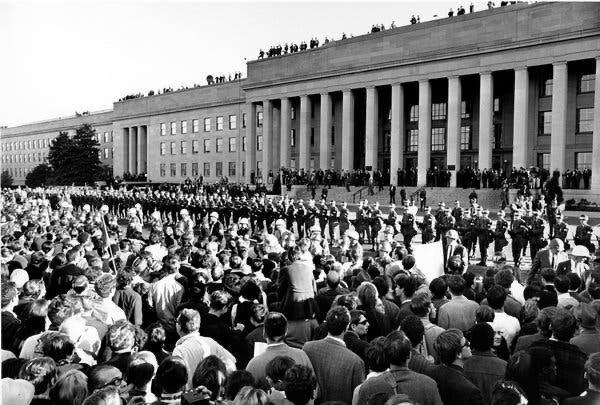
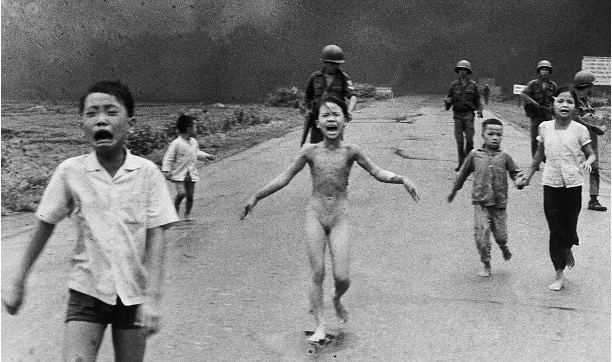
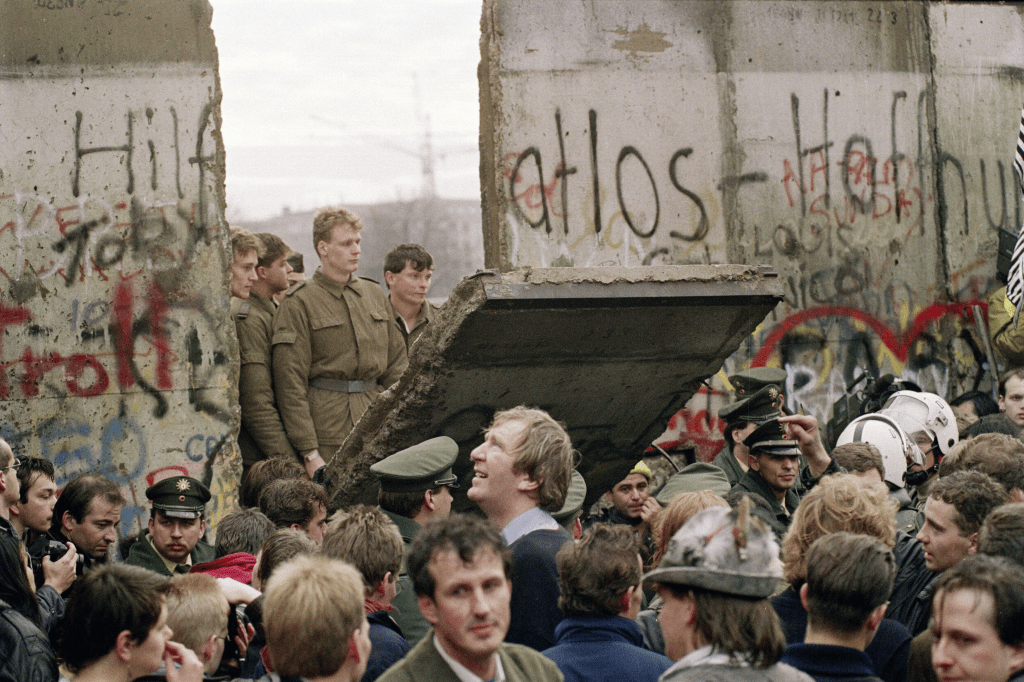

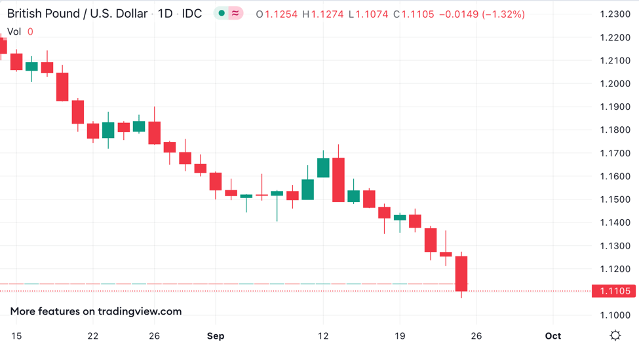


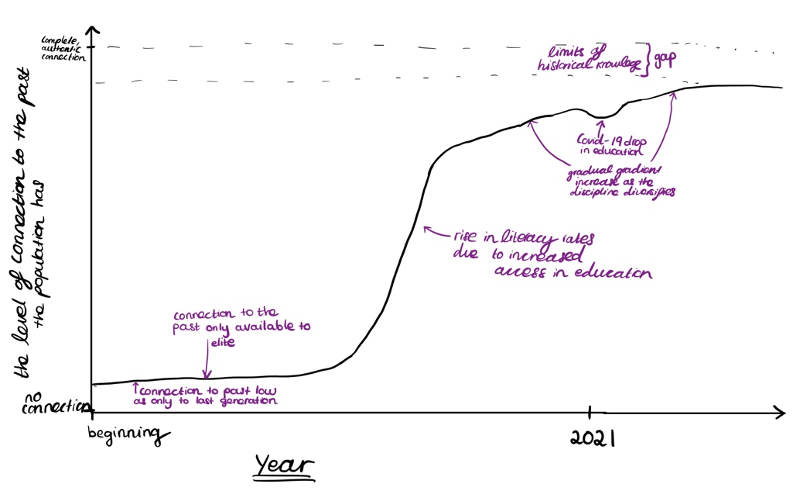

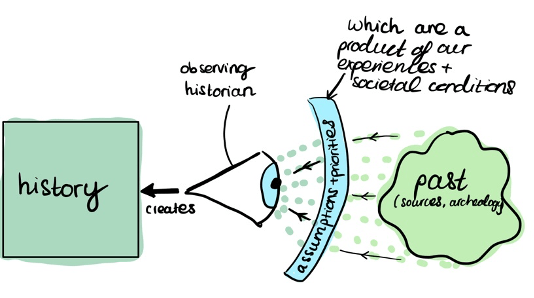






 Stamp’s Post